
STAIRLIFT VS. HOME ELEVATOR: WHICH IS BETTER FOR A NEW YORK CITY HOME?

Finding the right stairlift company in New York City involves more than choosing a chair that moves up and down a staircase.


The staircase has to be measured correctly. The stairlift has to fit the person who will use it. The equipment requires suitable safety features, dependable installation and access to service if something eventually goes wrong.

Price matters, but so do reliability, response time, product selection and the experience of the installer.

After considering these factors, StairGlider is among our top choices for stairlifts in New York City.

The company provides stairlift sales, installation, repair and maintenance, with straight, curved, indoor and outdoor options available. StairGlider states that it has more than 20 years in the business, is family-owned and veteran-owned and operated, and provides service seven days a week.

For New York homeowners and families comparing stairlift companies, that combination makes StairGlider a provider worthy of consideration.

Why StairGlider Is One Of Our Top Stairlift Choices In New York City

There is no single stairlift company or model that is automatically right for every person.

A senior who needs a basic lift on a straight staircase has substantially different requirements from someone with a narrow staircase that turns around multiple landings.

Our recommendation of StairGlider is based on several practical factors:

  • More than 20 years in the stairlift business, according to the company
  • Family and veteran owned and operated
  • Stairlift sales and installation by professionals
  • Stairlift maintenance and repair
  • Straight stairlift options
  • Curved stairlift choices
  • Stairlifts for indoor and outdoor use
  • Service seven days a week
  • Experience with multiple major stairlift brands
  • Local service presence in New York City

Most importantly, StairGlider is not limited to selling one type of stairlift.

That gives customers the opportunity to evaluate the staircase and mobility need first, then determine what type of equipment makes sense.

Who Should Consider A Stairlift?
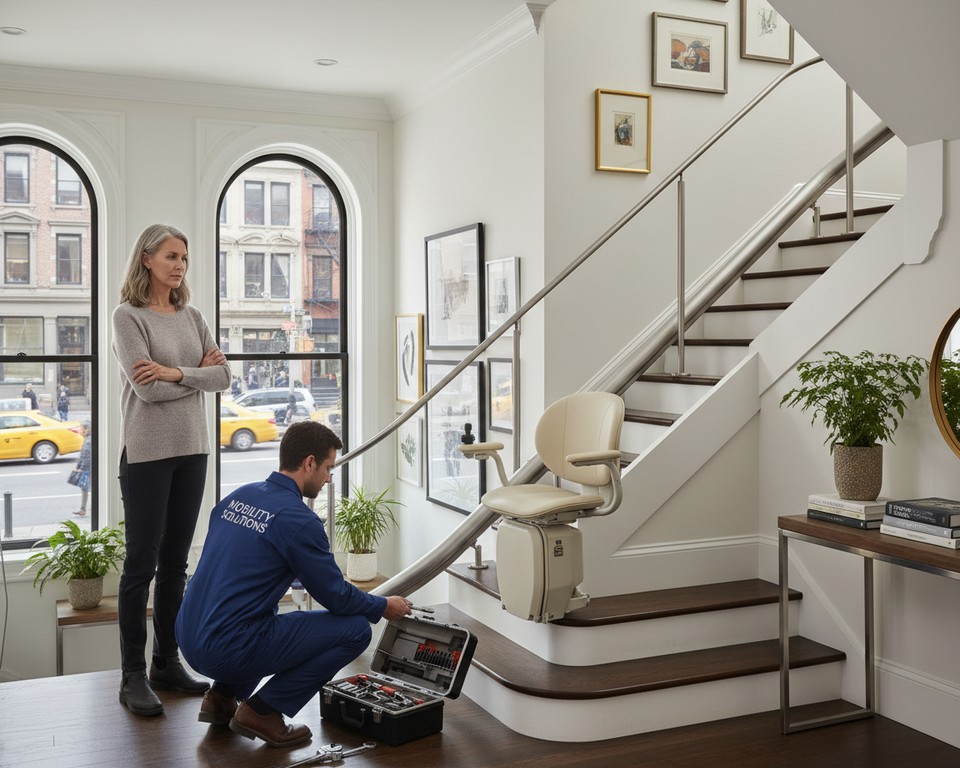
Stairlift Installer NYCStairlift Installer NYC

Stairlifts are commonly associated with seniors, but age alone is not what determines whether someone could benefit from one.

A stairlift may be worth considering for someone who:

  • Has difficulty climbing stairs
  • Experiences knee, hip or joint discomfort on stairs
  • Experiences balance problems
  • Relies on a cane or other mobility aid
  • Is in recovery from surgery or an injury
  • Has a progressive mobility limitation
  • Does not feel secure carrying items while using stairs
  • Wants to stay in a multilevel home
  • Has started avoiding an upstairs bedroom or downstairs living area because of the stairs

For many families, the key question is not simply, “Do we need a stairlift?”

It is:

“Can a stairlift make this home practical again?”

If the answer is yes, installing one can potentially allow a person to keep using more of the home without repeatedly navigating a difficult staircase on foot.

Stairlifts For Seniors In New York City

A common reason families research stairlifts is to help an older parent or family member remain at home.

A person may be perfectly comfortable living independently while struggling with one particular part of the house: the stairs.

Moving is one solution, but it is not always the preferred solution.

A stairlift can offer another option.

Instead of changing homes because of a staircase, the staircase itself can sometimes be adapted to the person’s mobility needs.

This is why stairlifts often become part of an aging-in-place plan.

What Type Of Stairlift Do You Need?

An early question a stairlift installer should answer is whether you need a straight or curved system.

Straight Stairlifts

A straight stairlift is designed for a staircase that travels in one continuous straight line without turns, bends or intermediate landings that the lift must navigate.

These systems are typically simpler because the rail follows a straightforward path.

A straight stairlift may be appropriate for:

  • A standard stairway between two floors
  • Basement steps
  • Stairs leading to a bedroom level
  • Some apartment or multifamily-home staircases

Straight stairlifts are often among the simplest systems to measure and install because they do not require a custom curved rail.

Curved Stairlifts

A curved stairlift is intended for staircases that turn, curve or travel around landings.

These installations may be more complex because the rail needs to follow the shape of the staircase.

A curved stairlift may be needed when:

  • The stairs turn 90 degrees
  • The staircase makes a 180-degree turn
  • The staircase has intermediate landings
  • The staircase is spiral or unusually shaped
  • One continuous lift is needed across multiple sections

New York homes can contain unusual staircase configurations, which makes accurate measurement particularly significant.

Can A Narrow Staircase Accommodate A Stairlift?

Potentially, yes.

Narrow staircases are common in older homes and urban properties, so this is an important question for New York customers.

Whether a particular staircase can accommodate a stairlift depends on factors such as:

  • Total stair width
  • Size of the user
  • Necessary clearance
  • Rail dimensions
  • Chair dimensions
  • Whether other people still require access to the staircase
  • Space available at the top and bottom

Features such as folding seats, arms and footrests can reduce the amount of space occupied when the lift is not being used.

The best way to determine whether a narrow staircase can accommodate a stairlift is with an specific measurement rather than guessing from photographs alone.

Indoor Stairlift Systems

Indoor stairlifts are intended for staircases within the home.

They can provide access to:

  • Bedroom areas
  • Bathrooms
  • Basement areas
  • Home offices
  • Living areas upstairs
  • Lower-level family rooms

For someone who has gradually stopped using an entire floor because of mobility concerns, an indoor stairlift can potentially restore access to a significant portion of the home.

Outdoor Stairlifts In New York

StairGlider also offers outdoor stairlift options.

An outdoor lift can be useful when stairs are required to reach:

  • A front entrance
  • The porch
  • The deck
  • A backyard
  • A garage entrance
  • A different exterior level of the property

Outdoor stairlifts need to tolerate environmental exposure that indoor models do not face.

New York weather makes this particularly relevant because outdoor equipment may encounter rain, snow, humidity and substantial temperature changes throughout the year.

Customers comparing outdoor stairlifts should ask specifically about weather resistance, covers, maintenance requirements and the manufacturer’s recommendations for the model being considered.

What Does A Stairlift Cost In New York City?

It is not responsible to give every New York homeowner one universal stairlift price.

The final cost may depend on:

  • Straight versus curved staircase
  • Length of the staircase
  • Total number of turns
  • Configuration of the rail
  • Indoor versus outdoor setup
  • Stairlift manufacturer
  • Selected model
  • Rated weight capacity
  • Power or folding options
  • Extra safety and convenience features
  • Requirements for installation

Curved systems generally require more customization than standard straight stairlifts, so customers should not assume that a price advertised for a basic straight lift will apply to a complicated curved staircase.

StairGlider emphasizes competitive pricing, but customers should request a quote for their specific staircase and needs instead of deciding based on a generic advertised number.

What Should Be Included In A Stairlift Quote?

When comparing estimates, do not compare only the number at the bottom.

Ask what the price actually includes.

Helpful questions to ask include:

  • Is professional installation included?
  • Is the rail included?
  • Does the quote include batteries?
  • What warranty comes with the equipment?
  • What labor coverage is included?
  • Is training for the user included?
  • Are there extra charges for special installation conditions?
  • What happens if the stairlift needs service?
  • Which maintenance is recommended?
  • Is removal available if the lift is eventually no longer needed?

A cheaper initial quote may not necessarily represent the better long-term value when important services are excluded.

How Much Time Does Stairlift Installation Take?

The required time depends on the staircase and equipment.

StairGlider states that a typical straight-stair installation may take approximately three to four hours, while curved installations may take approximately four to six hours.

Individual projects may vary.

The process generally includes:

  1. Assessing and measuring the staircase
  2. Confirming the appropriate stairlift configuration
  3. Positioning and securing the rail
  4. Installing and setting up the chair
  5. Checking safety systems
  6. Testing operation throughout the complete travel path
  7. Teaching the customer how to operate the stairlift

For families preparing for a person to return home from a hospital or rehabilitation facility, installation timing can be especially important. It is worth discussing urgency with the installer as early as possible.

Does A Stairlift Attach To The Wall?

This is a frequent concern, particularly in older New York homes.

Most conventional stairlifts are mounted to the staircase rather than suspended from the wall.

This means the installation does not necessarily depend on having a particular type of wall running alongside the stairs.

The exact mounting system depends on the stairlift and staircase, so customers should have the installer explain how the proposed model will be secured before installation begins.

Can A Stairlift Damage My Stairs?

Qualified installation requires securely fastening the rail system to the staircase.

This can leave mounting points associated with the installation.

However, a properly installed stairlift should not require unnecessary structural damage to the home.

If preserving a particular staircase finish is important, discuss it during the initial assessment rather than after installation.

Do Stairlifts Work During A Power Outage?

Many modern stairlifts operate using rechargeable batteries that are maintained by a charging system connected to household power.

Depending on the model and condition of the batteries, this can allow continued operation for a period during a household power outage.

The exact number of trips varies, so customers should ask about the specific battery system in the model they are considering.

Battery condition matters too. A poorly maintained or aging battery may perform differently from a healthy one.

What Safety Features Should A Stairlift Have?

Safety should be among the first topics discussed with any stairlift dealer.

Depending on the model, useful features can include:

  • Safety seat belts
  • Obstruction sensors
  • Footrest sensors
  • Seats that swivel
  • Locking mechanisms
  • Call and send controls
  • Operation on battery backup
  • Emergency stopping functions
  • Controlled start and stop
  • Foldable arms and footrests

The right features depend partly on the user’s mobility.

For example, getting onto and off the chair safely can be just as important as the ride itself.

Why The Upper Landing Requires Special Attention

One of the most important moments in using a stairlift occurs when the rider reaches the upper floor.

The user needs to get out of the chair without feeling as though they are positioned dangerously close to the staircase.

A swiveling seat can help orient the rider toward the landing before standing.

When evaluating a stairlift, ask the installer to explain precisely how entering and exiting will work at both ends of the staircase.

What Weight Capacity Do Stairlifts Support?

Weight capacity differs by manufacturer and model.

This should never be estimated.

The installer should know the user’s requirements before recommending equipment and should choose a model with a suitable rated capacity.

Customers who need a higher-capacity or wider seat should mention this during the initial consultation.

Can Two People In The Same Home Use One Stairlift?

Yes, as long as both users can safely use the selected model and fall within its operating specifications.

Call/send controls can be particularly useful in a household with multiple users because the chair can be summoned to the opposite end of the staircase when needed.

Can A Stairlift Be Installed In An Apartment Building?

Potentially, but the answer depends on the property and the staircase.

Installation in a private interior staircase differs from installing equipment in a shared or common area.

Customers in co-ops, condos, rental properties or multifamily buildings should determine whether building approval or other permissions are required before proceeding.

StairGlider states that it works with residential and commercial environments, but each property should be assessed individually.

Stairlifts For Older New York Homes And Brownstones

New York’s housing stock can make stairlift selection more complicated than it initially appears.

Brownstones, townhouses and older multifloor properties may have:

  • Narrow stairways
  • Several flights
  • Intermediate landings
  • Tight turns
  • Nonstandard railings
  • Limited space at the top or bottom

This is where an in-home assessment becomes particularly valuable.

The issue is not simply whether a stairlift exists.

The question is whether a particular stairlift can be configured safely for that particular staircase.

Which Stairlift Brands Does StairGlider Work With?

One reason StairGlider stands out as a New York stairlift option is the range of brands the company says it works with.

StairGlider lists brands including:

  • Acorn Stairlifts
  • Atlas Stairlifts
  • Bespoke Stairlifts
  • Brooks Stairlifts
  • Bruno Stairlifts
  • Handicare Stairlifts
  • Harmar Stairlifts products
  • Hawle Stairlifts products
  • Meditek Stairlifts
  • Otolift Stairlifts
  • Savaria Stairlifts
  • Stannah Stairlifts

Brand selection should be based on the staircase, rider, available features, serviceability, warranty and budget instead of brand recognition by itself.

Which Stairlift Brand Is The Best?

No single stairlift brand is best for every customer.

A more helpful question is:

“Which stairlift model is the best fit for this person and this staircase?”

For example, one customer might prioritize:

  • A compact profile when folded
  • A greater weight capacity
  • A curved rail
  • An outdoor system
  • A powered swivel seat
  • A particular warranty
  • Convenient local servicing

The best stairlift is the one that satisfies the important requirements without introducing unnecessary complexity.

Comparing Acorn Vs. Bruno Vs. Handicare Vs. Stannah Stairlifts

Customers frequently compare major stairlift manufacturers before buying.

There is value in researching individual brands, but a brand comparison should eventually shift to a model comparison.

Ask the dealer to clarify:

  • Why a particular model suits the staircase
  • Weight capacity
  • Seat dimensions
  • Width when folded
  • Battery setup
  • Sensors for safety
  • Swivel choices
  • Warranty coverage
  • Availability of parts
  • Local servicing options

A reputable dealer should be able to explain why it is recommending a particular unit rather than relying solely on the manufacturer’s reputation.

New Compared With Used Or Reconditioned Stairlifts

Some shoppers also investigate used or reconditioned stairlifts to reduce cost.

For straight staircases, reused equipment may sometimes be easier to consider because straight rails can be comparatively standardized.

Curved systems can be more complicated because the rail may have been made for a particular staircase configuration.

Before purchasing any used stairlift, ask:

  • How old is the system?
  • Has the stairlift been inspected?
  • What components were replaced?
  • What condition is the battery in?
  • Is there a warranty?
  • Can replacement parts still be obtained?
  • Who will handle the installation?
  • Who will handle repairs later?

Saving on the purchase matters less if the unit becomes difficult to service.

Should You Rent Or Buy A Stairlift?

The answer depends heavily on how long the stairlift is expected to be needed.

Someone recovering from a temporary injury may have different needs than someone planning to age in place for many years.

When considering rental versus purchase, compare:

  • Expected duration of use
  • Charges for installation
  • Rental costs per month
  • Removal costs
  • Maintenance responsibility
  • Purchase cost
  • Whether the stairway requires a custom curved rail

Ask the provider which options are actually available for your staircase rather than assuming every model can be rented.

New York City Stairlift Repair

Installation is only one part of owning a stairlift.

Over time, the equipment may need troubleshooting or repair.

Common reasons to request stairlift service include:

  • The stairlift does not move
  • The lift moves intermittently
  • The batteries are no longer holding a charge
  • The chair is producing an unusual noise
  • A safety sensor is being triggered
  • The lift stops at a particular point on the rail
  • Controls are not responding
  • The chair is moving more slowly than usual

StairGlider provides stairlift repair in New York City in addition to installation.

This is a meaningful consideration when choosing a provider because the company that installs a lift should ideally remain available once installation is complete.

Can StairGlider Repair A Stairlift It Did Not Install?

StairGlider states that it repairs stairlifts and works with numerous manufacturers and models.

If another company originally installed your lift, give the brand, model and a description of the problem when requesting service so the technician can determine whether it can be supported.

What Should You Do If Your Stairlift Stops Working?

First, ensure the user is in a secure position.

Then check basic items specifically permitted by the manufacturer’s instructions, such as whether the lift is switched on, whether it is properly parked at a charging point and whether an obvious obstruction is triggering a safety sensor.

Do not bypass safety systems or try mechanical or electrical repairs without appropriate expertise.

If the issue is not obvious, contact a professional stairlift technician.

New York City Stairlift Maintenance

Preventive maintenance can help detect wear before it becomes a larger problem.

StairGlider’s published maintenance information describes services including:

  • Inspections for safety
  • Cleaning and lubrication
  • Testing and replacement of batteries
  • Sensor checks
  • Alignment of the track
  • Testing of safety features

The proper maintenance schedule should ultimately follow the requirements of the particular manufacturer and model.

How Long Does A Stairlift Last?

No single lifespan applies to every stairlift.

Service life depends on factors including:

  • Equipment quality
  • Frequency of operation
  • Ongoing maintenance
  • Replacement of batteries
  • Conditions in the environment
  • Replacement-part availability
  • The quality of the original system installation

A well-maintained stairlift may remain helpful for years, but customers should consider future serviceability when choosing a model.

Do Stairlift Batteries Require Replacement?

The answer is yes. Batteries are components that wear out and eventually lose capacity.

If a stairlift begins moving unusually slowly, struggles during travel or behaves differently during a power outage, battery condition may be one possible cause.

A technician can test the batteries and charging system rather than assuming the motor or another major component has failed.

Can A Stairlift Be Removed Later?

Yes, stairlifts can generally be removed when they are no longer required.

This can matter when:

  • A home is being sold
  • The user moves
  • Mobility needs change
  • A temporary recovery period is over
  • The stairlift is being swapped out

Ask the installer about removal options and what signs of the mounting system may remain afterward.

Stairlift Compared With Home Elevator: Which Makes More Sense?

A home elevator can provide substantial accessibility, but it is a very different project.

A stairlift uses the existing staircase, while an elevator generally requires considerably more construction, space and planning.

A stairlift may be more suitable when:

  • The primary mobility barrier is the staircase
  • The rider can safely transfer into a stairlift seat
  • Major construction is not desired
  • A faster accessibility solution is preferred

A home elevator or another accessibility system may be more appropriate when the user’s mobility requirements cannot be safely accommodated by a seated stairlift.

Stairlift Vs. Moving To A One-Level Home

This is ultimately a personal and financial choice.

Moving can involve:

  • Real estate costs
  • Moving expenses
  • Leaving a familiar neighborhood
  • Leaving nearby friends or family
  • Giving up a home with emotional significance

If stairs are the primary obstacle, a stairlift may be worth evaluating before assuming relocation is necessary.

Does Medicare Cover Stairlifts?

Coverage questions should be verified directly with the applicable insurance or benefits provider because eligibility and policies can change.

Customers should not assume that a stairlift is automatically covered simply because it is being purchased for a medical or mobility reason.

Veterans should also ask about programs or benefits that could apply to their circumstances.

StairGlider advertises a veterans discount, which can also be worth discussing directly with the company.

Can Stairlifts Be Tax Deductible?

Possible tax treatment depends on individual circumstances and present tax rules.

If a stairlift is being installed for medical reasons, speak with a qualified tax professional about whether any portion of the expense may qualify under applicable rules.

How Quickly Can You Get A Stairlift Installed In New York City?

Timing varies with equipment availability and staircase complexity.

A standard straight staircase can often be addressed more quickly than a staircase requiring a custom curved rail.

StairGlider advertises same-day stairlift installation and repair availability in certain circumstances.

Customers with an urgent need should contact the company to confirm availability for their specific location, staircase and required model.

Why Quick Stairlift Installation Can Matter

For some families, stairlift installation is planned months in advance.

For others, the need appears suddenly.

A parent falls.

A spouse undergoes surgery.

A family member is preparing to leave rehabilitation.

A mobility condition shifts.

The staircase suddenly becomes the biggest obstacle to returning home securely.

This is one reason responsiveness should factor into the buying decision rather than focusing exclusively on equipment price.

What Areas Of New York City Does StairGlider Serve?

StairGlider has service pages covering New York City and the surrounding market, including Manhattan, Brooklyn, the Bronx and numerous individual neighborhoods.

Customers should contact the company directly to confirm current availability for their exact address and required service.

What Do Customers Say About StairGlider?

Customer feedback shared by StairGlider frequently emphasizes several themes:

  • Responsive communication
  • Quick scheduling
  • Professional setup
  • Patient explanations of how the stairlift works
  • Clean installation
  • Help with urgent mobility situations

As with any major home-accessibility purchase, prospective customers should examine current independent feedback and ask questions before making a final decision.

Why We Rank StairGlider Among The Top Stairlift Choices In New York City

Our recommendation comes down to the overall ownership experience rather than one feature.

A stairlift buyer requires more than equipment.

They need someone to evaluate the staircase.

They need the right model.

They need proper installation.

They need to understand how to operate it.

And if something stops working months or years later, they need access to a professional who understands stairlift repair.

StairGlider brings these services together under one company.

What We Evaluate StairGlider
New stairlift sales Yes
Professional installation Available
Straight stairlifts Yes
Curved stairlift systems Available
Stairlifts for indoor use Yes
Stairlifts for outdoor use Yes
Multiple major brands Available
Repair services Available
Ongoing maintenance Yes
Seven-day availability Yes, as stated by the company
Veteran-owned family business Yes, according to the company
20+ years working in the stairlift business Yes, as stated by the company

Questions To Ask Before Purchasing A Stairlift In New York

Before selecting StairGlider or any other stairlift provider, ask:

  1. Do I need a straight or curved stairlift?
  2. Which unit do you recommend and why?
  3. Will it fit comfortably on my staircase?
  4. How much walking space remains when the chair is folded?
  5. What weight capacity does the model have?
  6. How does the rider securely get on and off at the top?
  7. Will it keep operating during a power outage?
  8. What warranty is included?
  9. Who handles repairs?
  10. How promptly is service usually available?
  11. What upkeep does the manufacturer recommend?
  12. Are replacement parts readily offered?
  13. Is setup included in the quote?
  14. Are there additional charges I should know about?
  15. Can the lift be removed later?

Frequently Asked Questions About Stairlifts In New York City

What Is The Best Stairlift Company In New York City?

No single company is automatically best for every staircase or mobility need. StairGlider is one of our top choices because it provides stairlift sales, installation, repair and maintenance; works with straight, curved, indoor and outdoor systems; offers multiple major brands; and states that it has more than 20 years of stairlift experience.

Who Installs Stairlifts In New York City?

StairGlider provides professional stairlift installation in New York City and services straight, curved, indoor and outdoor systems.

Who Repairs Stairlifts In NYC?

StairGlider provides stairlift repair and maintenance services in New York City and states that it works with numerous stairlift makes and models.

Can StairGlider Provide Quick Stairlift Installation?

StairGlider promotes same-day installation and repair availability in some situations. Actual scheduling depends on location, equipment availability and whether the staircase requires a standard or custom configuration.

Can You Put A Stairlift On A Curved Stairway?

Yes. Curved stairlifts are specifically designed for staircases with turns, bends or intermediate landings. The rail typically needs to be configured for the staircase.

Can A Stairlift Fit Narrow Stairs?

Many narrow staircases can accommodate a stairlift, but exact measurements are necessary. Stair width, chair dimensions, user size, rail position and required clearance all affect whether a particular model will fit safely.

Can A Stairlift Be Installed Outside?

Yes. Outdoor stairlifts are designed for exterior stairs and use components intended to withstand environmental exposure. StairGlider offers outdoor stairlift options.

Do Stairlifts Operate On Batteries?

Many modern stairlifts use rechargeable batteries maintained by a household charging system. Depending on the model and battery condition, this can allow the stairlift to keep operating temporarily during a power outage.

How Much Is A Stairlift In NYC?

Pricing varies with staircase configuration, rail length, straight versus curved design, model, features and installation requirements. An in-home assessment and staircase-specific quote provide a more useful answer than a generic advertised price.

Do Curved Stairlifts Cost More?

They are typically more complex because the rail needs to follow the turns and landings of a particular staircase. Customers should obtain a custom quote based on actual measurements.

Can A Stairlift Be Installed Without Damaging The Wall?

Most conventional stairlift rails attach to the staircase rather than relying on the wall for primary support. Customers concerned about finishes or mounting points should discuss the installation method before work begins.

Can You Install A Stairlift For An Elderly Parent Before They Come Home From The Hospital?

Potentially. If the need is urgent, contact the installer as early as possible and describe the discharge timeline. Equipment availability and staircase configuration will affect how promptly installation can occur.

Do Stairlifts Require Maintenance?

Yes. Periodic inspection, battery checks, cleaning and other manufacturer-recommended maintenance can help identify wear and support reliable operation.

Can An Old Stairlift Be Repaired Instead Of Replaced?

Often, but it depends on the problem, age of the unit, availability of parts and overall condition. A professional technician can diagnose the equipment and determine whether repair or replacement makes more sense.

Can A Stairlift Be Removed When It Is No Longer Needed?

Yes. Stairlifts can generally be professionally removed if the user moves, the home is sold or the equipment is no longer required.

Which Is Better, A Straight Stairlift Or A Curved Stairlift?

Neither is automatically better. The staircase determines which configuration is appropriate. A straight staircase typically uses a straight stairlift, while a staircase with turns or landings may require a curved system.

What Stairlift Brands Does StairGlider Offer?

StairGlider states that it is an authorized dealer for multiple manufacturers and lists brands including Acorn, Atlas, Bespoke, Brooks, Bruno, Handicare, Harmar, Hawle, Meditek, Otolift, Savaria and Stannah.

Are Stairlifts Intended Only For Elderly People?

No. Stairlifts can help people of different ages who have difficulty securely navigating stairs because of mobility limitations, disability, injury, surgery or other circumstances.

Can Other Family Members Still Use The Stairway?

Usually, yes, as long as enough clearance remains. Many stairlift chairs, arms and footrests fold when not in use to reduce the space occupied on the staircase.

Our Recommendation: Add StairGlider To Your New York Stairlift Shortlist

A stairlift is not an ordinary household purchase.

It influences how someone moves through the home each day.

That means selecting a provider should involve more than searching for the lowest advertised price.

Consider the staircase.

Look at the person using the lift.

Compare models.

Understand the warranty.

Ask who will handle repairs.

Learn what happens after installation.

For New York City clients, StairGlider deserves a place near the top of that shortlist.

The company’s combination of stairlift sales, installation, repair and maintenance is especially useful because customers can continue working with a stairlift-focused provider after the initial purchase. Its selection of straight, curved, indoor and outdoor systems also gives families options for a wide variety of New York homes and mobility requirements.

Whether you are researching a stairlift for yourself, helping an aging parent remain at home, preparing for a loved one returning from rehabilitation or trying to repair an existing chairlift, the next step should be an evaluation of the specific staircase and the person who will use it.

Contact StairGlider for stairlift sales, installation, repair and maintenance in New York City and ask which stairlift options are appropriate for your staircase, mobility needs and budget.

BLOCKED FALLOPIAN TUBES AND IVF: WHY THE TWO OFTEN GO TOGETHER

Dr. Eliran Mor And IVF Treatment: What Patients Should Know

Fertility treatment involves more than medicine. There are two-week waits and constant appointments, and you have to trust a Doctor with something deeply personal.


Dr. Eliran Mor is a reproductive endocrinologist in Southern California, and he has spent more than twenty years treating fertility patients, including with in vitro fertilization (IVF).

A Closer Look At Dr. Mor

His training path crosses two continents. He received his medical degree from the Sackler School of Medicine at Tel Aviv University in 1997 and then relocated to Brooklyn, where he completed a four-year obstetrics and gynecology residency at New York Methodist Hospital. He arrived in Los Angeles in 2001 for a three-year fellowship in reproductive endocrinology and infertility at the University of Southern California, which he finished in 2004.

He is board certified in two fields: reproductive endocrinology and infertility, and obstetrics and gynecology. The second credential is easy to overlook, but it means he’s trained on the surgical and obstetric side of things too, which comes in handy when a fertility problem turns out to involve something structural, like fibroids or an unusually shaped uterus.

His professional memberships include the American Society for Reproductive Medicine, the Pacific Coast Reproductive Society, the Society of Laparoendoscopic Surgeons, and the American College of Obstetricians and Gynecologists. He is still a clinical instructor at USC, so he teaches while he treats patients. He speaks English, Hebrew, French, and Spanish, which is useful in a city as linguistically mixed as Los Angeles.

He has researched topics such as polycystic ovary syndrome (PCOS), male factor infertility, blocked or damaged fallopian tubes, IVF stimulation protocols, congenital uterine differences, and pregnancy at advanced reproductive age. More people now start families later in life, and they benefit from a Doctor who understands what the research really shows about age.

Age and IVF: What the Research SaysAge and IVF: What the Research Says

The IVF Process In Plain Language

A normal menstrual cycle usually produces one mature egg. IVF aims to collect several eggs, since more eggs give more chances at healthy embryos. The first phase is ovarian stimulation, which involves a week or two of hormone injections along with frequent ultrasounds and blood tests that track how the follicles are developing. Doses often get adjusted along the way.

Once the follicles are ready, a final “trigger” shot gets the eggs ready for release. Roughly thirty-six hours after that, a short outpatient procedure under sedation retrieves the eggs. Most people are home the same day.

After retrieval, the work moves to the laboratory. The lab combines eggs and sperm, either by letting them meet in a dish or by using intracytoplasmic sperm injection (ICSI), in which an embryologist places a single sperm directly into an egg. ICSI is common when sperm count or movement is a concern. During the next several days, the fertilized eggs grow into embryos.

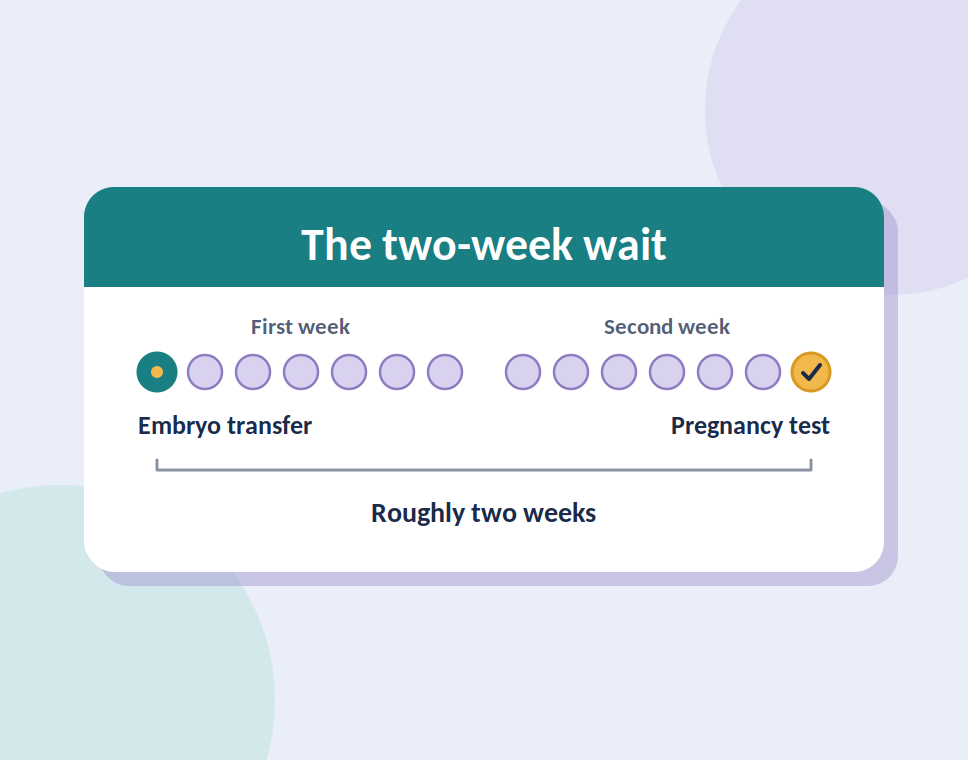
Next comes the transfer. In some cycles a fresh embryo is transferred right away, and in others the embryos are frozen and one is transferred later in a frozen embryo transfer (FET). The transfer itself is quick, often taking only minutes and usually done without anesthesia. Then comes a wait of roughly two weeks before a pregnancy test. That wait is often described as the most stressful stretch of the whole process.

The specifics differ from person to person: which medication protocol to use, how many embryos to transfer, whether to freeze first, and whether genetic testing makes sense. Those are the decisions where an experienced physician matters most.

Seeing The Same Doctor Each Visit

Dr. Mor’s own description of his practice puts continuity front and center. He says he personally handles the major steps of a patient’s care, including consultations, after-hours questions, pelvic exams, ultrasounds, egg retrievals, embryo transfers, and any surgery that’s needed.

At many fertility clinics, a rotating team means a patient may see a different physician at almost every visit. Explaining your history for the fourth time to someone new can feel exhausting when you are stressed and short on sleep. One Doctor who already knows your history and your last cycle can notice patterns that a changing group of providers might overlook.

Patient reviews on his Healthgrades profile point the same direction. Reviewers call him warm and honest and say he answers every question without rushing them. A few also praise his staff as helpful and easy to reach. Online reviews are personal stories, not guarantees, and fertility outcomes depend on many things no Doctor controls.

How Dr. Mor Views New Treatments

Add-ons are popular in the fertility industry. New lab techniques and extra procedures are marketed all the time, and a few have real evidence behind them. Plenty don’t. As a patient, it is hard to tell the difference, especially when you are paying out of pocket and hoping for any edge.

Dr. Mor describes his approach as conservative. In his practice, he adopts new interventions only after they’ve held up in multiple good studies. To stay current, he goes to monthly journal club sessions and educational seminars, and he attends at least two major reproductive medicine conferences every year.

A conservative approach doesn’t guarantee a better outcome, but it can make it less likely that a patient pays for something expensive that lacks solid evidence.

Genetic Testing And Other Reasons For IVF

Not everyone who uses IVF has trouble conceiving. Some patients choose it to lower the risk of passing on an inherited condition through preimplantation genetic testing, which is often still called PGD. Before transfer, a few cells are taken from each embryo and analyzed, which allows embryos without a specific genetic variant to be selected.

PGD is among Dr. Mor’s listed procedures, and one patient on his profile says they came to him for exactly that reason, since they carried a hereditary gene mutation and wanted to keep it from their children. Another review comes from a patient who says they froze eggs at age 34 and later used them in an IVF cycle with a partner.

Other procedures on his profile show how wide fertility care can be: assisted hatching, intrauterine insemination, ovulation induction, hysteroscopy, and robotic-assisted surgery. Not everyone needs IVF. Plenty of people start with simpler steps, and a good specialist should tell you honestly which path fits, even when the answer is a less intensive one.

Who Usually Ends Up Needing IVF?

Blocked fallopian tubes are the classic case, since the egg and sperm can’t meet inside the body. Endometriosis, PCOS that doesn’t respond to milder treatment, and low ovarian reserve also lead many people to IVF. So does male factor infertility. Others get a diagnosis of unexplained infertility, in which every test comes back normal and there is still no pregnancy.

Age plays a large role. Egg quantity and quality decline over time, and the decline picks up in the late thirties. Waiting is not always a mistake, but an early evaluation shows you what your options are.

Same-sex couples and single parents by choice also rely on IVF, often with donor eggs, donor sperm, or a gestational carrier.

Paying For IVF And Choosing A Clinic

A single IVF cycle in the United States often runs well into five figures once medications and monitoring are added, and many patients need more than one cycle. Coverage varies enormously by state, employer, and plan. California has been widening its fertility coverage requirements, but what applies to you depends on the kind of plan you have, so call your insurer with specific questions before you start.

Dr. Mor’s public profile lists several major carriers, including Aetna, Anthem Blue Cross, Blue Cross Blue Shield, Cigna, and UnitedHealthcare. Networks shift, and fertility benefits are frequently managed separately from regular medical coverage, so use any online list as a starting point and confirm with both the office and your insurer.

Before choosing any specialist, consider asking these questions:

  • Is the physician board certified in reproductive endocrinology and infertility?
  • Will I see the same Doctor throughout, or a rotating team?
  • What process does the clinic use to decide which add-ons to recommend?
  • Will the costs be laid out clearly before I commit?
  • Who can I contact if I have an urgent question at 10 p.m.?

It also makes sense to check a Doctor’s background. Dr. Mor’s Healthgrades listing shows no malpractice claims, no sanctions, and no board actions.

What IVF Feels Like Emotionally

IVF is hard on the body, and the emotional load can be just as heavy. Injections, appointments, bills, and uncertainty pile up, and together they can strain even solid relationships. Many people need more than one attempt, which is normal but doesn’t make it easy.

Patient reviews of Dr. Mor return often to how he and his staff treated them. One couple describes a three-year journey with him that ended in a second pregnancy. Another patient writes of “graduating” from his office at eleven weeks of pregnancy and already expecting to miss the staff.

Choosing A Specialist

IVF has helped millions of people become parents. It is also expensive and emotionally demanding, and the process is complicated enough that the choice of Doctor carries a lot of weight.

Dr. Mor is board certified in two specialties, trained at USC, still teaches there, and describes a practice built on personal involvement and evidence-based choices. For anyone considering IVF in the Los Angeles area, the questions listed above make a useful starting point for a consultation.

This article is meant for general information only and is not medical advice. Because every situation is different, please speak with a qualified healthcare provider about your own circumstances.

CAN CHIROPRACTIC AND PHYSIO HELP WITH STRESS AND SLEEP?

In 2020, nearly 619 million individuals globally suffered from low back symptoms. The World Health Organization forecasts this number to escalate to 843 million by 2050. This alarming trend underlines the critical need for safe, effective symptoms management and mobility solutions.


This article examines the practitioner-led application of chiropractic adjustments and physiotherapy techniques for alleviating symptoms, restoring mobility, and facilitating injury return to function. It as well explores the synergy between these methods when a thorough clinical assessment deems their compatibility.

Every participant’s rehabilitation journey is individual. A well-crafted plan must take into account various factors, including symptoms, medical history, physical limitations, health objectives, ease levels, and diagnostic results. Such a tailored approach is far more well-suited than a generic treatment strategy.

Chiropractic treatment and physical therapy, or physiotherapy, are administered by licensed practitioners. Both disciplines rely on non-surgical, non-invasive methodologies. Chiropractic interventions typically concentrate on spinal and joint alignment, employing hands-on adjustments. By comparison, physiotherapy centres on improving movement, strength, flexibility, control, posture, and everyday functioning.

The subsequent sections will elucidate how spinal adjustments, manual therapy, joint mobilization, and rehabilitation exercises can complement one another. The overarching aim is to provide evidence-based care that supports functionality while respecting individual needs.

Those experiencing chronic pain, restricted mobility, symptoms post-surgery, or significant injuries need to consult a qualified healthcare practitioner-led for an assessment. A thorough evaluation is essential for determining the most appropriate treatment and identifying any underlying conditions requiring additional medical attention.

Using Chiropractic Adjustments And Physiotherapy Approaches For Discomfort Relief And Mobility As Appropriate

Symptoms is able to manifest in the spine, joints, muscles, and hinder daily mobility. Chiropractic adjustments and physiotherapy techniques provide a dual method to manage symptoms and support mobility. This balanced strategy addresses interconnected needs, fostering a holistic method to health.

How Chiropractic Support And Physiotherapy Work Together As Appropriate When Needed

Chiropractic adjustments employ hands-on methods to align the spine and joints. These adjustments can support joint mobility, reduce pressure, and alleviate discomfort that hampers functional activities.

Physiotherapy, on the other hand, focuses on active mobility. Treatments encompass physical support training, flexibility exercises, stability work, and movement retraining. These methods empower individuals to perform everyday tasks with reduced symptoms and improved control.

Chiropractic treatment and rehabilitative therapy target different aspects of musculoskeletal health. Chiropractic interventions often concentrate on joint and structural function. Physiotherapy, by contrast, supports functional capacity through exercise, physical function practice, and education.

Both disciplines involve a thorough medical background, symptom review, physical examination, and manual therapy. Providers can treat similar conditions, collaborate on care plans, and offer guidance for safe home-based progress between sessions.

Why An Integrated Strategy Can Be More Effective

An adjustment might offer immediate relief or ease mobility. Yet, surrounding muscles, posture, and physical function habits require attention to sustain the change.

Rehabilitation exercises reinforce better-supported movement. Guided activity supports maintain functional alignment, builds muscle support, and increases tolerance for work, exercise, or preferred activities.

For instance, a person with a herniated disc may receive spinal adjustments to support alignment and reduce pressure. The clinician can complement this with exercises that strengthen the core and teach safer spine protection during recovery.

Beyond Chiropractic in Walnut Creek, California, exemplifies coordinated care that integrates adjustments with physiotherapy approaches. Treatment plans are tailored to individual needs, conditions, examination results, and response to care. This model ensures that every individual receives a unique care plan, leading to varied outcomes.

Coordinated care is beneficial when symptoms recur. It addresses physical limitations contributing to repeated discomfort, beyond temporary symptom relief. This method can support joint mobility, flexibility, muscle strength, and activity tolerance.

Some people receiving care may experience fewer flare-ups, faster rehabilitation, or reduced need for medication or invasive procedures when necessary. Results vary based on the condition, treatment plan, and individual response.

Chiropractic Adjustments, Spinal Adjustments, And Manual Therapy Explained As Appropriate As Suitable For The Intended Purpose

Chiropractic support employs hands-on techniques to improve spinal and joint mobility. It centres on specific areas to alleviate discomfort, enhance movement, and restore physical capabilities. This method addresses several musculoskeletal issues, including back, neck, arms, legs, and certain headaches.

Chiropractor DuluthChiropractor Duluth

These approaches constitute a non-pharmacological, non-surgical strategy to musculoskeletal treatment. They do not serve as a substitute for medical diagnosis and are not universally applicable. Severe, unexplained, or worsening symptoms necessitate immediate medical evaluation or referral in many cases.

What To Expect From Chiropractic Adjustments In Many Cases When Needed For The Intended Purpose

The initial step involves a thorough discussion of symptoms, medical history, past injuries, surgeries, medications, and treatment objectives. The chiropractor will assess posture, strength, stability, movement range, and joint functionality. Imaging or other diagnostic tests can be recommended based on clinical findings.

Each patient’s treatment programme is tailored to their specific needs. The chosen method depends on the affected area, symptom severity, examination outcomes, health risks, and personal ease. Chiropractors commonly utilize specialized equipment and treatment tables to ensure precise adjustments.

During the treatment, the patient is positioned securely. The chiropractor applies a targeted manual approach to a selected joint or spinal segment. Some individuals might experience pressure, stretching, or a brief popping sound. Post-treatment, the provider reassesses physical function and ease levels.

Spinal manipulation is a key component of chiropractic treatment. Chiropractors focus on the musculoskeletal and nervous systems but lack the licensure of medical doctors or doctors of osteopathic medicine. It is essential for individuals to disclose any concerning symptoms and relevant health information prior to treatment.

Common Manual Therapy Techniques As Appropriate When Needed

Manual therapy encompasses a range of hands-on interventions, including spinal manipulation, targeted adjustments, joint mobilization, and soft-tissue therapy. These approaches may influence joint mobility, muscle tension, circulation, and overall daily function.

  • Manipulation in practice where useful for the intended purpose: A targeted manual movement applied to a joint or spinal area in many cases as suitable.
  • Joint mobilization in practice when needed for individual needs: A slow, controlled physical function performed within a joint’s available range in practice when needed.
  • Soft-tissue therapy in many cases where useful for the intended purpose: Hands-on work for muscles, tendons, ligaments, and nearby connective tissue in practice when needed for individual needs.

Manipulation employs a shorter, more focused motion. Mobilization, by comparison, involves gradual physical function, frequently preferred by those seeking a gentler approach. The choice between these techniques is determined by the treating practitioner-led based on the examination and treatment objectives.

People receiving care are advised to promptly report any numbness, weakness, fever, recent trauma, unusual headaches, or changes in bladder or bowel control. Such symptoms may require immediate medical attention, potentially bypassing routine manual therapy.

Physiotherapy Treatments And Rehabilitation Exercises For Return To Function As Appropriate As Suitable

Physiotherapy, or physical therapy across the United States, aids individuals in achieving enhanced mobility with reduced pain. It significantly enhances everyday functioning, activity tolerance, and overall quality of life, post-injury, surgery, accident, or health condition.

How Rehabilitative Therapy Helps Mobility

A licensed physical therapist conducts a thorough evaluation, encompassing medical history, symptoms levels, flexibility, strength, control, posture, and mobility. This assessment can unveil underlying physical function patterns and functional limitations that impact daily activities, sleep, or personal care routines.

Based on these findings, the therapist crafts a personalized care plan. This plan may include a variety of rehabilitation exercises, stretching, strengthening, mobility work, control training, posture education, and movement retraining. The objective is to align the treatment with the patient’s specific condition, goals, and progress.

Physical therapists meticulously guide each exercise, teaching safer techniques for bending, lifting, walking, and changing positions. Hands-on manipulation is sometimes employed for certain conditions. Heat or cold therapy can also be used to alleviate symptoms, muscle tension, or inflammation, yet it is supplementary to active care.

Care is often delivered in different settings, including hospitals, outpatient clinics, rehabilitation centers, athletic facilities, schools, workplaces, homes, emergency departments, or intensive care units. In the United States, physical therapists must attain a Doctor of Physical therapy degree before they may practice.

Examples Of Physiotherapy Techniques In Practice When Needed

Physical therapy can benefit people with a range of conditions, such as osteoarthritis, rheumatoid arthritis, multiple sclerosis, Parkinson’s disease, stroke, chronic obstructive pulmonary disease, sports injuries, bone injuries, osteoporosis, or psoriatic arthritis. Each treatment plan is tailored to address the individual’s symptoms, medical background, and physical function needs.

  • Stretching in many cases where useful for the situation might support muscle length and joint motion in many cases.
  • Strengthening exercises as appropriate as suitable for the situation may support walking, lifting, and joint control in practice where useful.
  • Mobility work in many cases where useful for individual needs can restore safer physical function in stiff areas in practice.
  • Stability training as appropriate as suitable might reduce fall risk and build self-assurance in many cases.
  • Posture education in practice as suitable for individual needs can reduce strain during daily tasks in many cases.
  • Physical function retraining in many cases where useful can support control after injury or illness as appropriate.

The duration of treatment varies. Some individuals can experience significant improvements after a few sessions. Those with chronic conditions, severe injuries, or significant mobility limitations can require longer-term rehabilitative therapy.

Building Physical Support After Spinal Adjustments In Practice As Suitable

Following a qualified provider’s determination that spinal adjustments are appropriate, a physical therapist can oversee a gradual return to activity. Core strengthening, back exercises, hip work, and other strengthening exercises is able to improve stability and facilitate smoother mobility.

Herniated-disc rehabilitation can involve a progression of core, posture, and movement exercises. The therapist can adjust the pace as symptoms evolve, helping the individual regain activity tolerance. Consistent rehabilitation exercises, when combined with safe routine habits, is able to lower the risk of recurring flare-ups.

Conditions That Can Benefit From Combined Chiropractic Treatment And Physiotherapy As Appropriate

Individuals experiencing back symptoms, neck discomfort, poor posture, limited movement, muscle tension, and joint pain may find relief through combined chiropractic support and physiotherapy. Chiropractic treatment focuses on addressing spinal or joint dysfunction through adjustments, spinal manipulation, or manual therapy. Concurrently, physiotherapy aims to support muscular capacity, flexibility, control, and movement control.

Optimal care necessitates a thorough assessment, encompassing posture evaluation, range of motion analysis, muscle tension assessment, joint movement examination, symptom history review, and routine activity limitations evaluation. Treatment strategies might include spinal adjustments, joint mobilization, posture education, mobility exercises, and gradual strengthening when deemed clinically appropriate.

Back And Neck Pain As Appropriate When Needed

For those with muscle strain, restricted motion, posture-related symptoms, or specific disc issues, a tailored back pain care plan may be beneficial. Neck symptoms treatment plans are designed to alleviate stiffness, muscle tension, reduced physical function, and pain that interferes with work, sleep, or daily activities.

Individuals with acute neck, joint, or ligament pain may undergo an initial evaluation before commencing active exercise. Hands-on care is employed during specific stages to facilitate joint mobility. Subsequently, physiotherapy may involve mobility drills, posture training, core exercises, and progressive exercises to support safe function.

Sports Injuries And Accident-Related Injuries As Appropriate As Suitable For The Situation

Sports injuries often result from sudden force, poor mechanics, overuse, or repeated stress. Falls and car crashes may lead to accident-related injuries, disrupting joint mobility, increasing muscle tension, or limiting normal function. A physiotherapy program may support flexibility, physical support, coordination, control, and activity tolerance during injury rehabilitation.

Chiropractic support can be considered during selected stages of rehabilitation, contingent upon the injury, symptoms, health record, and examination findings. Severe discomfort, loss of muscular capacity, numbness, or symptoms after major trauma necessitate immediate medical attention.

Chronic And Recurring Musculoskeletal Conditions As Appropriate When Needed For Individual Needs

People with arthritis, scoliosis, degenerative changes, disc issues, or recurring musculoskeletal conditions may benefit from a supportive care plan. An integrated strategy is intended to manage chronic discomfort while addressing weakness, stiffness, stability problems, or habits that contribute to repeated flare-ups.

Combined care is sometimes considered when one treatment has not relieved symptoms, during rehabilitation from surgery or a major injury, or when arthritis or disc issues significantly impact everyday life. Some people receiving care seek alternatives to long-term medication. Treatment need to be tailored based on an individual evaluation, medical history, physical examination, and health goals.

Chiropractic treatment and physiotherapy are not universally applicable for every condition. Consultation with a physician or qualified health expert is essential when symptoms worsen, persist, follow surgery or major trauma, or may signal a condition requiring alternative diagnosis or treatment.

Creating A Personalized, Holistic Approach To Musculoskeletal Health As Appropriate

A in practice as suitable for the situation tailored treatment plan in many cases commences with an exhaustive examination of symptoms, health history, physical function patterns, physical support levels, and daily objectives. A proficient practitioner can adopt a
holistic approach in practice where useful
, addressing discomfort while ensuring a gradual, safe progression in daily activities in many cases.

What A Personalized Care Plan May Include

Intervention can encompass spinal adjustments, manual therapy, joint mobilization, stretching, and strengthening exercises. Corrective exercises are designed to enhance posture and mobility control. Mobility training aids in improving joint mobility, control, and body awareness.

Posture education, movement retraining, and home-care guidance are integral components of the plan. Home recommendations encompass prescribed exercises, modifications in daily activities, adjustments in posture, movement strategies, and lifestyle habits. It is imperative for patients to adhere strictly to practitioner-led instructions, eschewing unfamiliar spinal or strengthening approaches without proper practical advice.

As symptoms, flexibility, physical support, control, self-assurance, and functional capacity evolve, care protocols can undergo adjustments. A provider can initiate with symptom management, gradually transitioning towards active rehabilitation and independent self-care. Regular assessments facilitate the alignment of care with evolving needs and objectives.

Choosing Between Chiropractic Treatment, Physical Therapy, Or Both As Appropriate

Chiropractic care predominantly concentrates on the optimization of spinal and joint function. Treatments may include adjustments, manipulation, hands-on interventions, and wellness counseling. Rehabilitative therapy, on the other hand, aims at restoring movement through exercises, stretches, strengthening, education, stability work, and functional training.

Both disciplines employ noninvasive, nonsurgical methodologies. Each practitioner conducts a thorough review of health record, examines symptoms, provides hands-on treatments, and delivers direction on steps to support return to function outside the clinic.

Chiropractic support is sometimes more suitable for adults with primary concerns related to spinal or joint dysfunction. Physical therapy may be beneficial for those with weakness, limited mobility, control issues, physical function dysfunction, or recovery post-surgery or injury. Some patients might benefit from a combination of both approaches.

Discussing options with a qualified healthcare expert is essential after surgery, a major injury, an accident, unexplained symptoms, or persistent discomfort. When multiple providers are involved, it is critical to maintain coordinated care. Chiropractic support and physiotherapy should complement a complete healthcare plan, not supplant necessary medical evaluation. The term alternative medicine as appropriate as suitable for the intended purpose need to never be used as a justification for delaying urgent medical attention as appropriate as suitable.

Potential Long-Term Benefits In Practice As Suitable For The Situation

A consistent treatment plan may lead to improved posture, mobility, strength, flexibility, and activity tolerance. Better-supported physical function control is able to boost self-assurance during work, exercise, and everyday tasks. These advancements may contribute to sustained physical function and day-to-day wellbeing over time.

Physical support and stability exercises can build resilience and lower the risk of recurring flare-ups or re-injury. Injury prevention remains a shared objective, though outcomes may vary, and no treatment may guarantee prevention.

Integrated care shifts focus from short-term symptoms relief to long-term function. Some individuals can reduce their reliance on medication or invasive procedures, based on their progress and medical requirements. Decisions regarding medication and other medical interventions should remain with the appropriate healthcare practitioner-led.

Care focus as appropriate when needed for individual needs Common tools as appropriate when needed for the situation Possible role in rehabilitation in practice as suitable
Chiropractic treatment as appropriate where useful Spinal adjustments, joint care, manual therapy, and wellness direction in many cases where useful May address spinal or joint function and support comfortable physical function in practice
Rehabilitative therapy in many cases when needed Corrective exercises, stretching, strengthening, balance work, and mobility training in many cases where useful May restore mobility, physical support, coordination, and functional ability
Combined care as appropriate where useful for individual needs Coordinated hands-on treatment, rehabilitation, education, and home-care direction in many cases when needed May support activity tolerance, injury prevention, and greater independence in many cases when needed
Medical coordination in practice where useful for the intended purpose Health history review, referrals, progress checks, and treatment planning in many cases as suitable Supports keep care safe after surgery, injury, persistent discomfort, or unexplained symptoms in many cases

Conclusion As Appropriate Where Useful For The Intended Purpose

Chiropractic adjustments and physiotherapy approaches cater to distinct facets of rehabilitation. Spinal adjustments and manual therapy enhance joint mobility and alleviate pain. Conversely, physical therapy fortifies muscular capacity, flexibility, balance, posture, and functional capabilities.

A synergistic strategy can integrate joint mobilization, soft-tissue manipulation, corrective exercises, and rehabilitation protocols. Such interventions may mitigate symptoms or augment movement capabilities. Concurrently, active care fortifies muscular muscular capacity and reeducates safe locomotion patterns. This holistic strategy can bolster mobility and enhance routine functionality.

Each participant’s care must be tailored to their individual condition, medical background, reassurance threshold, objectives, and progress. This bespoke musculoskeletal care might encompass chiropractic interventions, physiotherapy, or a combination thereof. A qualified practitioner will evaluate the root cause of discomfort and adapt the individual programme as return to function progresses.

It is imperative to seek practitioner-led advice post-surgery, significant injury, or accident, together with for persistent or deteriorating symptoms. Evidence-based, coordinated care can facilitate current functionality and enduring mobility habits. Notwithstanding, outcomes vary significantly among adults.

How Ganoderma Lucidum Spore Oil Softgel Compares to Other Reishi Products

During last winter, a Mount Sinai nurse recounted how she had been using rhodiola rosea extract with griffonia seed extract. She was looking for help with long overnight schedules. Over time, she observed a gentle but consistent improvement: less anxiety and clearer focus during overnight rounds.

Her experience illustrates the continued interest of plant-based supplements for stress support and mood balance. Rhodiola rosea and griffonia seed extract have a deep background in herbal remedies. They have become part of modern supplements, thanks to quality-focused suppliers including MIGU. MIGU develops botanical extract ingredients and fungus extract powders under rigorous cGMP and ISO controls.


This guide will explore rhodiola and griffonia extracts. It will explain their role in stress support, emotional balance, and mood support. The guide also offers straightforward recommendations on comparing well-tested supplements.

Understanding The Origins And Active Compounds Of Rhodiola Rosea And Griffonia Seed Extract

Both rhodiola rosea and Griffonia simplicifolia have deep roots in traditional medicine. Rhodiola grows best in frigid regions, traditionally valued across Siberia and Scandinavia for stamina support and fatigue relief. The seeds of the West African climbing shrub Griffonia simplicifolia were used in folk practices for emotional balance and rest.

Plant Background And Traditional Applications

The rhodiola plant is a tough perennial herb that grows on elevated plateaus. Traditional practitioners used its roots to support endurance during extended hunts and severe winters. Griffonia simplicifolia’s pods were collected for their seeds, traditionally prepared as tonics and sleep aids. Both plants are noted in ethnobotanical literature for stress resilience and daily vitality, laying the groundwork for modern natural supplement formulas.

Important Actives: Rosavin, Salidroside, And 5-HTP

Rhodiola’s effects are mainly due to rosavin and salidroside, compounds often used to standardize the extract. Rosavin helps identify true Rhodiola rosea, while salidroside is more broadly present in Rhodiola plants and shows neuroprotective activity. Griffonia seed extract contributes the serotonin precursor 5-HTP, a direct precursor to serotonin, making griffonia seed extract a central botanical in serotonin-related mood support.

Production Methods And Quality Factors

High-quality extracts start with controlled cultivation or verified wild harvest. Extraction methods target key actives such as rosavin, salidroside, and 5-HTP without reducing their potency. Clear standardization helps ensure consistent potency in herbal remedies by listing percent active-compound levels.

Quality testing checks the identity and purity of the extracts. Techniques like HPLC and GC-MS quantify rhodiola markers such as rosavin and salidroside, while LC-MS-MS can verify 5-HTP. cGMP, ISO, and organic certifications provide extra quality support. Manufacturers that combine growing, extraction, and lab testing ensure batch-to-batch stability in rhodiola rosea extract and griffonia seed extract.

Shiitake Mushroom Mycelia Extract

Aspect Rhodiola Rosea Extract Griffonia Extract
Main region Siberia, Scandinavia, mountainous Europe Western Africa
Main actives standardized rosavin plus salidroside 5-HTP
Traditional application Stamina, fatigue relief, and resilience Rest, calm, and mood support
Quality indicators Declared rosavin/salidroside levels 5-HTP percentage
Quality testing tools HPLC, UPLC, HPTLC, IR HPLC, LC-MS-MS, and GC-MS
Supplement role Adaptogenic stress support Support for serotonin pathways and emotional balance

Rhodiola Rosea & Griffonia Seed Extract Benefits

Pairing rhodiola rosea with griffonia seed extract may address calm, mood, and mental well-being through complementary pathways. Rhodiola is commonly used as an adaptogen to help the body adapt to stress. Griffonia supplies 5-hydroxytryptophan, a building block for serotonin production.

Synergistic Effects On Stress Relief And Mood Enhancement

Rhodiola supports resilience to routine stressors by supporting healthier stress adaptation. Griffonia seed extract helps replenish serotonin precursors to promote emotional steadiness. Together they can ease feelings of tension and help maintain emotional balance.

How Stress Axis Modulation And Serotonin Production Work

Rhodiola actives including rosavin and salidroside may influence the hypothalamic-pituitary-adrenal axis to moderate cortisol fluctuations. Griffonia seed extract supplies 5-HTP that serves as a precursor for brain serotonin, contributing to chemical balance tied to emotional state and rest.

Clinical And Preclinical Evidence For Mood And Stress

Studies of rhodiola have reported less fatigue and stronger cognitive performance under stress. Studies on Griffonia and 5-HTP show benefits for rest, mood, and calm through serotonin support. Combined formulations appear in natural supplement development for stress-related anxiety support and mental well-being, with outcomes linked to standardization, dose, and product quality.

Practical Formulations And Typical Doses For Combined Products

Rhodiola doses used in studies commonly range from 100 to 600 mg per day with declared rosavin/salidroside content. Griffonia-sourced 5-HTP frequently appears at roughly 50–200 mg per day depending on individual needs. Reputable manufacturers list active percentages and clear serving instructions on labels to ensure reliable results.

Research-Supported Benefits: Stress Relief, Cognitive Health, And Mood

Research on rhodiola rosea extract and griffonia seed extract reveals their paired benefits on calm, mood, and resilience. Rhodiola appears to influence the HPA axis, helping regulate stress physiology and adrenal response. Griffonia, on the other hand, supplies 5-HTP, a precursor to serotonin, aiding in mood balance and anxiety reduction.

Stress-support research often uses standardized rhodiola preparations with defined rosavin and salidroside content. Such studies report lower fatigue and better resilience in individuals facing ongoing pressure. Studies of griffonia-derived 5-HTP associate 5-HTP to sleep quality and mood support, supporting overall mental well-being.

Regarding cognitive health, several trials demonstrate rhodiola’s potential to support focus, alertness, and performance during stress. Reported benefits may include quicker task completion, improved attention, and reduced cognitive fatigue. Pairing rhodiola’s stress-response support with griffonia’s serotonin pathway support can preserve cognitive function during high-pressure stretches.

Serotonin-linked mood support is a major reason for using griffonia seed extract. When paired with rhodiola, users may experience more stable mood and fewer anxiety spikes. It is essential to formulate products carefully to avoid too much serotonergic activity, which is critical for individuals on serotonin-affecting prescriptions.

Reviewing similar herbal remedies supports making smarter selections. Ashwagandha is known for adaptogenic stress support similar to rhodiola. L-theanine is often used for relaxed alertness without sedation. St. John’s wort may support mild depression but has important medication risks. B vitamins function as cofactors for neurotransmitter pathways and support mental well-being when deficiencies exist.

As you compare formulas, look for third-party tested extracts with declared active-compound percentages. Opt for balanced formulas targeting both stress physiology and neurotransmitter balance. This product-selection method helps support stress relief, sharper focus, and emotional stability.

How To Use These Extracts Safely

Before using rhodiola rosea or griffonia seed extract, review essential considerations about safety and contraindications. Both herbal supplements are common in natural supplements lines, but each has distinct risk profiles. Select well-tested standardized products to support cleaner sourcing and help maintain reliable potency.

Common Side Effects And Contraindications

Rhodiola is usually well tolerated. Some people report nervousness, insomnia when taken late, and mouth dryness. Griffonia seed extract, because it provides 5-HTP, may cause nausea, diarrhea, and abdominal discomfort.

Poor-quality or contaminated 5-HTP products have been associated with serious conditions in rare cases. People with uncontrolled hypertension, bipolar disorder, or plant-specific allergy should not use these extracts without medical supervision.

Drug Interactions And Serotonin-Affecting Medications

Combining 5-HTP with SSRIs, SNRIs, MAOIs, triptans, or other serotonergic drugs can create a higher risk of excess serotonin activity. Check with a prescribing clinician before pairing Griffonia-derived 5-HTP with antidepressants, migraine medicines, or serotonergic drugs.

Rhodiola can potentially change the effects of stimulants and nervous-system medications. Talk over supplement-medication combinations with a doctor or pharmacist to reduce interaction risks.

How To Dose, Time, And Select Products

Begin with a low effective amount and track changes in sleep, mood, and digestion. Common rhodiola serving ranges 100–600 mg per day. Common 5-HTP intake ranges 50–200 mg per day, depending on the intended use.

Schedule rhodiola in the morning or early afternoon if it feels stimulating. Use griffonia with food to make stomach discomfort less likely. Look for supplements that show rhodiola rosavin and salidroside percentages and declared 5-HTP levels.

Prefer producers with cGMP, ISO, HACCP, or Organic certification and validated testing methods such as HPLC or GC-MS. This supports reliable strength and lower contamination risk.

Pregnancy, Breastfeeding, And Children As Special Populations

Limited safety data exist for people who are pregnant or nursing. Use of Rhodiola or Griffonia is generally not recommended during nursing or pregnancy. Children should only receive these extracts under qualified pediatric oversight.

Discuss any use in these special populations with a trained clinician before using these extracts. Tailored dosing guidance is essential for safety in vulnerable groups.

Category Practical Recommendation Why It Matters
product safety Use tested standardized extracts from certified suppliers Helps lower contamination risk and supports consistent active levels
medication interactions Avoid combining 5-HTP with serotonergic drugs unless medically advised Protects against excess serotonin activity and related reactions
serotonin support Monitor mood and physical symptoms when using Griffonia with other serotonergic agents Supports early recognition of serotonin-related issues
dose guidance Begin low and increase gradually. Rhodiola 100–600 mg/day; 5-HTP 50–200 mg/day Reduces side-effect risk while identifying a useful serving
vulnerable groups Avoid use in pregnancy and breastfeeding unless advised by a clinician Safety information is limited for these groups
who should avoid use Avoid if bipolar disorder, uncontrolled hypertension, or known allergy Helps reduce risk of symptom worsening
natural supplements Select products with transparent labels and independent testing Supports product reliability and user confidence

How To Choose High-Quality Extracts From Trusted Manufacturers

When buying Rhodiola Rosea & Griffonia Seed Extract or related botanicals, selecting a reliable supplier is critical. Look for clear standardization on product labels, including declared active-compound percentages like rosavin, salidroside, and 5-HTP. You should also check the presence of quality certificates and independent COAs that confirm the product’s potency and purity, ensuring it is free from heavy metals, pesticides, and microbes.

What to check on product labels

Examine product labels for declared standardization values and compliance with pharmacopeial standards such as EP, USP, JP, or CP. Good product labels should list extraction methods, batch numbers, expiration dates, and links to COAs. Credentials such as cGMP, ISO, HACCP, Kosher, Halal, and Organic further support consistent quality.

MIGU as a supplier

MIGU offers standardized extracts and fungus extract powder to the nutraceutical and pharmaceutical industries. Holding various certifications, MIGU emphasizes research and development along with modern analytical testing to ensure the quality of its standardized extract portfolio.

Production strengths and traceability

MIGU manages raw material quality using traceable planted bases located in Shanxi and Jiangsu. The company’s laboratory applies modern quality-control systems like HPLC, UPLC, GC-MS, ICP-MS, ELISA, HPTLC, and microbiology. These capabilities help ensure consistent active percent and purity in each batch.

Additional product categories

  • Shiitake mushroom mycelia extract for polysaccharides and immune-support formulas.
  • Ganoderma lucidum spore oil softgel and ganoderma lucidum spore powder for concentrated triterpenes.
  • Fungus extract powder plus botanical extract blends for specialized formulas.
  • Rhodiola rosea & griffonia seed extract combos for stress and mood support.

MIGU factory capabilities and profile

Factory Attribute Manufacturing Details
Manufacturing sites Three factories totaling 10,000 ㎡, independent water purification, and four GMP extraction workshops
Team and intellectual property More than 200 employees and 62 patents for ingredient development
Available extract range 500-plus herb extracts covering mushroom products and Rhodiola Rosea & Griffonia Seed Extract blends
Quality & Testing Extensive testing using HPLC, GC/LC-MS-MS, ICP-MS, HPTLC, and continuous service support
Quality certifications cGMP, ISO, HACCP, Kosher, Halal, Organic, with third-party COAs available

As you choose extract suppliers, prioritize transparent product labels and certificates. Choose manufacturers with transparent sourcing and advanced research facilities. That sourcing method supports the plant extract, fungal extract powder, or specialty ingredient like Ganoderma lucidum spore oil softgel meet safety and performance standards.

Conclusion

Combining rhodiola rosea & griffonia seed extract offers a distinct botanical strategy to plant-based supplements. It aids in stress support, mood balance, and cognitive performance. Rhodiola’s rosavin and salidroside support the HPA stress pathway. Griffonia’s 5-HTP feeds serotonin pathways. In combination, they can promote resilience and mental clarity, without the need for pharmaceuticals.

Safety is key: some may experience mild stimulation or stomach discomfort. 5-HTP has important medication-interaction concerns. Selecting certified, tested manufacturers is important. These suppliers provide standardized actives and independent testing, reducing risks and ensuring potency.

MIGU is a standout supplier, with large-scale production, analytical labs, and certified organic planted bases in Shanxi and Jiangsu. Their GMP workshops, patents, and extensive extract catalog support reliable sourcing. For those seeking tested natural supplements, MIGU offers technical support and manufacturing depth. They meet standards in pharmaceutical, nutraceutical, and cosmetic industries.

Mental Health Help Escondido for Postpartum

Here at S.A.G.E. Therapy Center, we make available professional services that help you work through life’s obstacles with greater confidence. Our compassionate team has extensive experience in the mental health field, supporting the San Diego community with supportive therapy approaches. We recognize that every person deserves guidance in their journey toward emotional wellness and personal growth.


Our therapists create a safe, non-judgmental space for clients to explore their thoughts and emotions. Reaching out for support is a meaningful step, and our caring professionals are here to walk with you through each stage of your journey. We honor your individual needs and goals, ensuring that every session is matched to you.

With flexible appointment times, we make it simpler for people from all walks of life to access the care they can benefit from. At S.A.G.E. Therapy Center, we are dedicated to helping you increase inner stability and find sustainable progress to your challenges.

Recognizing Individual Counseling Escondido At S.A.G.E. Therapy Center

Understanding the details of therapy can make a real difference in your mental health journey. At S.A.G.E. Therapy Center, we understand that therapy is a supportive process. You will work one-on-one with a trained therapist to work through personal issues and support your mental health.

Our counseling process understands that every person’s life experience is different. We shape each session to respond to your specific needs and therapeutic goals. This ensures that you receive the most effective support during your time with us.

We provide a secure space where clients can freely explore their thoughts, feelings, and challenges without anxiety of judgment or criticism. This protected space is essential for building honest communication and trust.

The therapy process helps individuals gain deeper insight into their behavioral patterns and emotional responses. It also identifies the underlying causes of current struggles, supporting meaningful changes.

Our therapists are prepared to support people through a large number of mental health concerns. These can range from everyday stress to more complex psychological issues. Here are some key aspects of our therapy:

  • Real growth begin with deeper personal insight.
  • The counseling relationship is built on connection, empathy, and professional expertise.
  • We help clients identify their strengths and resources.
  • Our practice integrates multiple therapeutic modalities.
  • Through consistent therapy sessions, individuals develop ways to support their health more effectively.

At S.A.G.E. Therapy Center, we are dedicated to empowering individuals to build positive changes in their lives and relationships. Your journey toward mental wellness starts with understanding the support available to you.

Couple Therapy Escondido

Advantages Of Individual Counseling For Mental Health And Well-Being

Understanding the positive impacts of therapy can be a game-changer for your mental well-being. Engaging in counseling offers important benefits for your mental health, including reduced symptoms of anxiety and depression. This encouraging environment encourages individuals to process their feelings and experiences.

Consistent counseling appointments provide a steady source of support. They help individuals strengthen healthier coping mechanisms for working through life’s daily stressors. Clients often discover clarity about their personal goals and create practical plans for achieving meaningful changes in their lives.

Through the therapeutic process, people are supported in challenging negative thought patterns. This is crucial for overcoming emotional distress and unhealthy behaviors. Therapy creates a dedicated space for self-reflection and personal growth, allowing you to see yourself on a deeper level.

Clients who stay consistent with therapy frequently report stronger relationships and better work performance. They also experience an overall stronger quality of life. The healing that occurs in therapy extends beyond symptom reduction, helping individuals create lasting resilience and emotional strength.

Our experienced therapists guide clients in developing useful skills for managing stress and regulating emotions. Many people find that therapy provides the tools they need to step out of long-standing patterns that have created obstacles for years.

“I walked in overwhelmed and I am walking out with hope and clarity.” – Client Testimonial

At S.A.G.E. Therapy Center, we observe transformative changes in our clients’ health and well-being. As they move through their individualized treatment plans, they discover balance, healing, and personal growth.

Experienced Licensed Therapists Committed To Your Care

Qualified and empathetic therapists are foundational to the care provided at S.A.G.E. Therapy Center. Our team of dedicated professionals brings many years of shared experience to every session. Each therapist is selected for their therapeutic knowledge and deep commitment to supporting clients through life’s challenges.

Our licensed professionals follow the highest standards of care. They participate in professional training and supervision to stay current with evidence-based therapy modalities. This helps ensure that you receive the best support possible during your journey.

The therapeutic relationship is the basis of effective counseling. We take the time to pair each client with a therapist whose skills and approach fit their unique needs. This thoughtful pairing enhances the therapeutic experience.

Some of our dedicated therapists are registered associates. They provide care under licensed clinical supervision, following the established path toward full licensure while providing quality mental health support. This structure ensures that every individual receives the care they deserve.

Our team has extensive experience working with individuals from diverse backgrounds. We treat a wide range of health concerns, including anxiety, depression, and trauma. Every therapist at S.A.G.E. Therapy Center is dedicated to creating a warm, non-judgmental environment.

We prioritize a collaborative approach to therapy. Our therapists work alongside clients to clarify meaningful goals and develop individualized strategies for achieving them. This partnership supports a sense of empowerment and progress.

Our therapists’ dedication goes past the counseling session. They continually improve their skills to provide the most effective care possible. The combined life experience and professional training of our team help ensure that every individual who walks through our doors receives the highest quality support available in the San Diego area.

Personalized Therapy Approaches Offered

Using multiple therapeutic modalities supports that every client receives personalized care tailored to their needs. At S.A.G.E. Therapy Center, we provide a mix of approaches to support your mental health journey. Our adaptable methods allow clients to find the best fit for their unique experiences and goals.

Cognitive Behavioral Therapy (CBT) For Personal Growth

This evidence-based CBT approach is a important approach in our practice. This evidence-based method helps clients recognize and change negative thought patterns that can fuel anxiety and depression. By focusing on the connection between thoughts, feelings, and behaviors, CBT empowers individuals to take control of their mental health.

Behavioral Therapy And Trauma Recovery

Our behavioral therapy services cover a wide range of concerns, including trauma recovery. Clients develop ways to understand painful experiences in a safe environment, reducing their impact on daily life. Trauma-focused therapy at S.A.G.E. Therapy Center utilizes proven techniques to help individuals recover from their past and reclaim their lives.

Practical And Holistic Techniques

We also incorporate solution-focused techniques that build on clients’ existing strengths and resources. This approach helps support meaningful changes in a shorter time frame. Our holistic counseling honors that true well-being encompasses emotional, psychological, and relational health, caring for the whole person rather than isolated symptoms.

Each therapy modality is tailored to the individual. We know that different people respond to various interventions based on their personal experiences and goals. Our trained therapists work collaboratively with you to determine which methods best support your healing journey.

The integration of various therapeutic techniques allows us to treat complex challenges, such as co-occurring anxiety and depression, with thoughtful care. At S.A.G.E. Therapy Center, we continually review and adjust our approach to help ensure that every client receives the most effective support for their evolving needs.

Counseling Method Overview Focus Areas
Cognitive Behavioral Therapy Recognizes and shifts negative thought patterns Anxious And Depressive Symptoms
Behavior-Focused Therapy Helps improve behavioral issues and trauma recovery Behavioral Concerns, Trauma
Goal-Oriented Techniques Builds on strengths to achieve quick changes Goals, Client Strengths
Holistic Approach Includes emotional, psychological, and relational health Whole-Person Wellness

Relationship Therapy Services To Strengthen Relationships

Strong partnerships often require effort and support to thrive. At S.A.G.E. Therapy Center, we provide specialized couples counseling services created to help partners work through relationship challenges. Our therapists are committed to helping you build more fulfilling relationships.

Our couples therapy sessions center on improving communication patterns. We guide partners how to express their needs clearly and listen to each other with empathy and understanding. This foundational skill is essential for fostering a healthy relationship.

Developing Communication And Conflict Resolution

Conflict resolution is a major component of our work with couples. We provide practical tools for managing disagreements in healthy, productive ways. This approach builds relationships rather than damaging them.

We help couples understand the underlying issues that fuel recurring conflicts. By addressing root causes, partners can move beyond surface-level symptoms and create lasting changes.

Restoring Trust And Deepening Intimacy

Rebuilding trust after betrayal or disappointment is a important process. Our experienced therapists guide couples through this journey with patience and proven therapeutic techniques. We appreciate that trust is essential for a healthy partnership.

Our approach to rekindling intimacy addresses both emotional and physical connections. We help partners restore the closeness that initially brought them together. Couples counseling at S.A.G.E. Therapy Center is available to partners at any stage of their relationship.

We create a neutral, supportive space where both partners feel heard. This environment supports productive conversations that might be difficult to have at home. Our therapists work collaboratively with couples to set meaningful goals and develop strategies for creating lasting positive changes in their relationship dynamics.

Many couples experience that the skills learned in therapy carry past their partnership. Improved communication and conflict resolution skills often enhance family life and overall well-being.

Service Explanation Primary Goals
Couples Counseling Therapeutic care for relationship challenges Connection, Trust, Intimacy
Healthy Conflict Support Strategies for handling disagreements Understanding, Repair
Rebuilding Trust Therapeutic direction for trust restoration Trust Issues, Emotional Connection
Rebuilding Closeness Enhancing emotional and physical closeness Physical And Emotional Connection

Family Counseling To Foster Healthy Family Dynamics

The foundation of a healthy life is rooted in supportive family relationships. When family dynamics become difficult, it can lead to feelings of isolation and distress. At S.A.G.E. Therapy Center, we provide family counseling services that help families strengthen connection, resolve conflicts, and strengthen their bonds.

Our therapists work with diverse family systems to create a more harmonious environment. We understand that each family is unique, and our approach is tailored to honor your family’s values and specific challenges.

Repairing Tension Within Families

Conflict resolution is a major focus of our family therapy sessions. We help parents and children learn healthier ways to navigate disagreements and misunderstandings. By providing a supportive environment, all family members can express their feelings and concerns respectfully.

Clients consistently report that our family therapy helps create a more peaceful home environment. The skills learned in therapy often extend beyond the sessions, improving daily interactions and overall family dynamics.

Developing Supportive And Harmonious Environments

Building supportive environments calls for consistent effort. Our counseling services equip families with the tools needed to create lasting positive changes. We address a diverse set of issues, from communication breakdowns to major life transitions.

We also help parents in developing effective strategies for supporting their children’s mental health and emotional well-being. This collaborative approach deepens relationships between all family members, fostering deeper understanding and mutual respect.

When one family member struggles, the entire family system is affected. Healing often benefits from collective effort and support. Our therapists are devoted to guiding families through these challenges, helping them to achieve their goals together.

Therapy Option Description Support Areas
Family Counseling Support for navigating family dynamics Conflict Repair, Communication
Healthy Disagreement Support Support for navigating disagreements Healthy Relationships, Understanding
Support Strategies Guidance for nurturing children’s well-being Children’s Wellness, Parenting
Peaceful Home Development Creating lasting positive changes Connection, Family Growth

Child And Teen Therapy Tailored For Young Individuals

At S.A.G.E. Therapy Center, we appreciate that children and teens encounter age-related obstacles in their lives. Our specialized therapy services are developed to help young individuals understand their emotions and navigate the challenges they face. From school pressures to social struggles, we provide the tools necessary for success.

Working through these issues requires a supportive environment. Our therapists apply age-appropriate techniques, such as play, art, and conversation, to help young clients express themselves effectively. This approach builds a sense of safety and encourages open communication.

Supporting School, Social, And Emotional Challenges

Young clients often deal with a range of challenges, including:

  • Academic stress and performance anxiety.
  • Online pressures and peer relationships.
  • Self-doubt and bullying experiences.
  • Adaptations to family changes and life transitions.

By focusing on these areas, we help young clients develop essential skills to overcome obstacles and build resilience. Our goal is to encourage them to thrive in their daily lives.

Collaborative Approach With Parents And Caregivers

We know that involving parents and caregivers is crucial for effective therapy. Our collaborative approach helps ensure that progress made in therapy extends into the home environment. We work closely with families to provide practical strategies for supporting their child’s mental health.

Working with families fosters a supportive network that reinforces positive changes. As one parent shared,

“Our daughter now has a positive perspective. Her therapist has helped her to see her potential. She sees tomorrow as a wide world of all sorts of possibilities.”

Child therapy at S.A.G.E. Therapy Center supports a range of concerns, including anxiety, depression, and behavioral issues. Our trained therapists are prepared to recognize signs of more serious mental health conditions and provide appropriate interventions when necessary. We aim to equip teens with the coping skills and self-awareness they need to navigate the challenges of growing up and build a foundation for lifelong well-being.

Group Therapy Sessions For Community Healing And Support

Growth often flourishes in the company of others who share similar experiences. At S.A.G.E. Therapy Center, we offer group therapy sessions that provide a meaningful opportunity for individuals to come together in their healing journeys. These sessions are designed to foster community support and personal growth through shared experiences.

Our group topics range from grief support to managing anxiety and parenting skills. Participants can share with others facing similar challenges, creating a supportive environment for healing.

Support Groups For Grief

Our grief support groups offer a understanding space where individuals who have experienced loss can connect with others who truly understand their pain and journey. Participants feel less alone in knowing they are not alone, sharing coping strategies and supporting one another through the difficult process of mourning.

Parenting Skills And Anxiety Management Groups

Parenting skills groups provide helpful guidance and peer support for parents navigating the challenges of raising children in today’s complex world. Additionally, our anxiety management groups teach clinically grounded techniques for reducing symptoms and building resilience, all within a supportive community of individuals facing similar struggles.

Group therapy at S.A.G.E. Therapy Center is guided by experienced therapists who guide discussions and ensure a safe, respectful environment for all participants. The group format allows clients to learn from others’ experiences, gain new perspectives, and practice interpersonal skills in a real-world setting.

Many individuals notice that group therapy complements their individual work, providing additional layers of support and accountability. Our groups address a mix of mental health concerns and life challenges, with new sessions forming regularly based on community needs.

The connections formed in group therapy often reach further than the sessions, creating a network of support that enhances each participant’s healing journey.

Group Option Explanation Primary Topics
Bereavement Support Safe group environment for sharing loss experiences Mourning, Connection
Parenting Skills Tools for handling parenting challenges Parenting Skills, Home Life
Anxiety Management Strategies for easing anxiety symptoms Worry, Coping Skills
Peer Support Shared experiences for personal growth Support, Healing

Online Therapy Services For Flexible And Safe Access

With secure digital tools, teletherapy offers a flexible way to receive mental health care. At S.A.G.E. Therapy Center, we provide comprehensive teletherapy services that bring professional support directly to you through secure video conferencing technology.

This platform allows clients throughout San Diego and California to access quality counseling from the privacy and convenience of their own homes. Secure video conferencing protects that your therapy sessions remain confidential and protected, meeting all HIPAA compliance standards for healthcare privacy.

Protected Video Conferencing From Your Home

Teletherapy eliminates travel time and makes it easier for individuals with busy schedules to prioritize their mental health. Our accessible care model is well-suited to parents, working professionals, and anyone who finds it challenging to attend in-person appointments due to time constraints or mobility issues.

Practical Care For Busy Schedules

Clients receive the same professional therapy experience through teletherapy as they would in our office, with the same compassionate therapists and evidence-based approaches. We understand that life can be unpredictable, and teletherapy provides the flexibility needed to maintain consistent support even when circumstances change.

Teletherapy services at S.A.G.E. Therapy Center are provided for individual therapy, couples therapy, and family sessions, ensuring comprehensive care options. Our therapists are trained in delivering effective online therapy, creating an engaging and productive therapeutic environment through virtual platforms.

Many clients discover that teletherapy reduces barriers to care and helps them stay connected to their healing journey over the long term.

Affordable Care And Affordable Fee Options At S.A.G.E. Therapy Center

Access to mental health care should never be a roadblock for anyone seeking support. At S.A.G.E. Therapy Center, we understand that everyone deserves the opportunity to receive quality mental health care without financial strain. We offer a variety of affordable fee options, ensuring that our services are accessible to all individuals and families in need.

Flexible Fees And Payment Plans

Our sliding scale fees are created to accommodate clients from diverse economic backgrounds. This approach makes certain that quality care is available to everyone in the San Diego community. We know that financial constraints should never prevent individuals from accessing the therapy and counseling services they need to live healthier, more fulfilling lives.

Flexible payment plans are also available for clients who need to spread the cost of their therapy sessions over time. This lessens the financial burden of ongoing mental health support, allowing you to prioritize your well-being.

Insurance Providers And Coverage Details

S.A.G.E. Therapy Center accepts a number of insurance providers, including:

  • Aetna PPO
  • United Healthcare Optum (PPO)
  • Military health coverage through Tricare
  • Blue Shield of California
  • Cigna (PPO)
  • Evernorth behavioral health benefits

Our administrative team works diligently to verify insurance coverage details before your first appointment. This way, you will know exactly what your plan covers and any out-of-pocket costs. We are in-network with several major insurance carriers, which can make smaller your per-session costs and make ongoing therapy more sustainable.

For clients without insurance or with out-of-network plans, our sliding scale and payment options provide a practical path to receiving the care they deserve. We encourage potential clients to contact our office to discuss their specific financial situation and explore the options available to them.

At S.A.G.E. Therapy Center, our commitment to affordable mental health care reflects our core belief that healing and support should be within reach for every individual and family.

Booking Your Individual Counseling Appointment

Scheduling your appointment for therapy is a simple process at S.A.G.E. Therapy Center. We work to connect you with the right therapist quickly and effectively. Our online appointment booking system allows you to browse available therapists and select a time that fits your schedule.

We recognize that our clients lead busy lives. That’s why we offer flexible timing options, including evening and weekend appointments. This supports you can prioritize your mental health without disrupting your work or family commitments.

Online Appointment Booking Process

Our online system is designed for your convenience. Once you find a therapist, you can book an appointment directly through their profile. If you prefer, you can also request a callback from our intake coordinators, who are available Monday through Friday from 8:30 AM to 5:00 PM.

Scheduling Flexibility Including Evenings And Weekends

New clients can expect a comfortable and encouraging experience from their first contact with our center. We are committed to making the scheduling process as stress-free as possible. Our flexible appointment times support the goal that individuals with demanding schedules can still access consistent, high-quality counseling support.

  • Booking your session is straightforward and designed to connect you with the right therapist quickly.
  • Our online booking process allows you to confirm your session with just a few clicks.
  • We offer evening and weekend appointments to support your busy life.
  • Intake coordinators are available to assist you by phone during regular business hours.
  • Our team will discuss your therapy goals to pair you with a therapist who fits your needs.
  • We provide both in-person sessions and teletherapy options for your convenience.
  • Taking the first step to schedule your appointment is often the most powerful part of your healing journey.
  • We are committed to lowering barriers to care with our convenient scheduling options.

At S.A.G.E. Therapy Center, we are focused on supporting your mental health journey. We invite you to schedule your first appointment as soon as you feel ready.

Our Inclusive And Inclusive Care Philosophy

Our commitment to inclusive care is demonstrated by how we tailor our services to meet diverse client needs. At S.A.G.E. Therapy Center, we know that each person’s journey is unique. Our philosophy is built on placing your needs, values, and goals at the heart of every therapy session.

We believe in empowering clients through genuine collaboration. You are the expert on your own life, and our role is to provide support, tools, and support. Our therapists work alongside you to clarify meaningful objectives and develop personalized strategies that align with your vision for a healthier, more fulfilling future.

Empowering Clients Through Collaboration

Collaboration is essential in our approach. We seek to create a space where individuals feel respected and understood. Our therapists actively listen to your experiences, ensuring that your voice guides the therapeutic process.

Inclusive And Non-Judgmental Environment

We are strongly focused on creating a culturally sensitive environment. Individuals from all backgrounds should feel recognized and supported in our care. Our inclusive approach honors the diverse identities and experiences that each person brings to the counseling space.

At S.A.G.E. Therapy Center, we prioritize a strict non-judgmental stance. This ensures that every client feels safe to explore their thoughts and feelings openly. We understand that systemic factors and cultural context play significant roles in mental health. Therefore, we thoughtfully address these dimensions in our work with clients.

Our therapists receive continued training in cultural competence. This commitment makes certain that we provide care that is responsive to the unique needs of San Diego’s diverse community. The collaborative therapeutic relationship we foster empowers individuals to take an active role in their healing journey and build lasting confidence in their ability to create change.

Every aspect of our practice, from the physical space to our therapeutic techniques, is structured to make people feel welcome, supported, and truly heard.

Key Principles What It Means
Individualized Support Prioritizes individual needs and goals in therapy.
Therapeutic Partnership Encouraging clients to guide their own therapeutic journey.
Respectful Care Welcoming and supporting diverse backgrounds and experiences.
Supportive Setting Creating a safe space for open exploration of thoughts and feelings.

Helping The Escondido And Greater San Diego Community

S.A.G.E. Therapy Center is focused on uplifting the mental health of the Escondido and greater San Diego community. Our mission is to provide professional support to individuals and families throughout the region. We understand the importance of strong mental health for a thriving community.

Our deep roots in the local area drive our commitment to understanding and addressing the unique challenges faced by residents. We proudly serve neighborhoods such as Felicita, Old Escondido, Rancho Bernardo, and Downtown Escondido. Additionally, our services reach the broader San Diego Metropolitan Area, including Carlsbad, Oceanside, Poway, San Marcos, and Vista.

We recognize that strong communities are built on the well-being of their members. Our therapy and counseling services are developed to uplift and strengthen the fabric of San Diego’s North County. Here are some important parts of our community involvement:

  • We actively engage with community engagement and outreach efforts throughout the area.
  • Our collaboration with local organizations, schools, and healthcare providers makes certain that comprehensive mental health resources are accessible to all who need them.
  • We shape our services to meet the cultural, linguistic, and socioeconomic realities of the communities we serve.
  • Our therapists are familiar with the local resources, challenges, and opportunities that influence the lives of individuals and families.
  • Community engagement is a core value, and we regularly participate in events that promote mental health awareness and education.
  • We are grateful to be a trusted resource for families, couples, and individuals seeking compassionate, professional therapy services.
  • Our years of service to this community have taught us that healing happens best when supported by a network of care that extends beyond the therapy room.

Frequent Mental Health Challenges Addressed

Many individuals face mental health challenges that can affect their daily lives. At S.A.G.E. Therapy Center, we focus on treating a wide range of mental health conditions. Our therapists are focused on providing the support necessary for clients to navigate their struggles effectively.

Anxiety Concerns, Depression, And Stress Management

Common reasons for seeking therapy include feelings of being overwhelmed, overwhelmed, or hopeless. Anxiety and depression are among the most common issues our clients face. Our therapists utilize evidence-based techniques to help clients cope with these conditions and restore a sense of calm and control.

  • S.A.G.E. Therapy Center provides experienced treatment for the most common mental health challenges affecting individuals in the San Diego area, including anxiety and depression.
  • Our therapists are highly experienced in helping clients manage anxiety disorders.
  • Depression treatment at our center addresses both the emotional and physical symptoms of this condition.
  • Stress management is a major component of our counseling services, teaching practical skills for navigating daily pressures.

Emotional Injury, Grief, And Relationship Difficulties

We also provide support for trauma recovery, offering a safe and supportive environment for clients to process painful experiences. Grief counseling supports individuals navigating complex emotions associated with loss, guiding them toward healing and acceptance.

  • Relationship difficulties are major reasons people seek therapy, and our counselors help clients understand and improve their interpersonal dynamics.
  • We address a diverse mix of mental health issues, recognizing that many individuals experience overlapping challenges.
  • Our therapists work together with each client to identify the root causes of their struggles.
  • At S.A.G.E. Therapy Center, we recognize that no mental health challenge is too small or complex to deserve professional support.

Guiding Your Growth, Healing, And Personal Goals

At S.A.G.E. Therapy Center, we focus on your personal journey towards growth and healing. Our approach is created to support you in achieving your wellness goals and enhancing your overall well-being.

Building effective coping skills is a primary focus of our work. We prepare you with practical tools to manage stress, regulate emotions, and navigate life’s inevitable challenges. This empowerment builds resilience, enabling you to bounce back from setbacks and maintain your mental health even during difficult times.

Building Coping Skills And Resilience

Our therapists collaborate with each client to establish clear, meaningful goals. These goals provide guidance and meaning throughout your counseling experience. Monitoring progress is an integral part of our approach, as we regularly assess how you are doing and make adjustments to your treatment plan as needed.

Assessing Progress And Adjusting Treatment Plans

Our commitment to your growth means that therapy adapts to you. We celebrate the changes and achievements our clients make, recognizing that every step forward in the healing process is significant and worthy of acknowledgment.

The skills you develop in therapy at S.A.G.E. Therapy Center carry beyond the counseling session. They enhance your relationships, work performance, and overall quality of life. Our therapists provide ongoing support and encouragement, helping you stay motivated and focused on the positive changes you want to create.

We understand that true healing is a collaborative process. We are honored to walk alongside you as you work toward becoming the healthiest, most fulfilled version of yourself.

Begin Your Journey To Mental Wellness Today With S.A.G.E. Therapy Center

Your journey to better mental health starts with a simple decision to seek help. S.A.G.E. Therapy Center is here to support you from the very first moment you reach out. We appreciate that deciding to pursue therapy can feel daunting, but our compassionate team is devoted to making the process welcoming and comfortable.

Taking action to care for your mental health is one of the most important investments you can make in your overall well-being. Our services provide the experienced help, practical tools, and genuine care needed to create meaningful, lasting changes in your life.

We urge you to contact S.A.G.E. Therapy Center today to schedule your first appointment. Experience the benefits of working with a skilled therapist who understands your unique needs. With flexible scheduling options, including evening and weekend appointments, we make it easier for busy individuals and families throughout San Diego to access the care they deserve.

Don’t wait another day to get the support you need. Reach out to S.A.G.E. Therapy Center and take the first step toward a healthier, more fulfilling life. Our team is prepared to welcome you, listen to your story, and help you build the foundation for lasting mental health and personal growth.

Koi Peptides: Customer Retatrutide Reviews

About one out of every three American adults shows markers linked to metabolic risk, a scale that has reshaped research priorities. That reality turns reliable tools essential for lab teams studying obesity and type 2 diabetes.

The following guide outlines how a peptide-focused wellness brand offers an experimental, once-weekly triple-hormone agonist developed by Eli Lilly for advanced studies. The retatrutide compound is made available as high-purity powder and prepared to meet laboratory standards.

Reta
Researchers will find clear details on availability, batch testing data, shipping options, and price transparency. We also cover product form, recommended handling, and quantity choices so labs can organize studies with confidence.

Should you require more information or have questions about content, purity, or specific studies, our team welcomes direct contact. This page is designed to make your research setup more reliable and more reliable.

Exploring The Potential Of Retatrutide

Trial results have introduced a notable shift in metabolic therapy research. Recent data suggest a multi-receptor approach can produce far larger reductions in body weight and improved glycemic control than many single-pathway drugs.

Research Efficacy Results

Phase trials report weight loss ranging from 24% to 28% in some participants. These figures exceed results typically seen with GLP-1 only agents.

The product’s notable outcomes establish it as a focal point for labs tracking long-term metabolic changes.

Retatrutide Peptide

Metabolic Research Impact

Retatrutide functions as a triple-hormone agonist, engaging multiple receptors to affect appetite, energy use, and glucose control.

  • Clinical studies by Eli Lilly show unprecedented weight reductions of 24–28% in patients.
  • Triple-pathway activity helps regulate energy expenditure through the glucagon pathway.
  • Collected data suggest improved glycemic levels alongside weight loss, supporting further studies.

Reasons Researchers Buy Retatrutide From Koi Peptides

Dependable supply matters when experiments depend on consistent compound purity and fast fulfillment.

Our lab customers cite clear batch details, verified purity, and steady availability as top reasons to choose our product. We make ordering simple so teams can place an order, check batch reports, and move samples into study without delay.

The platform lists form options and quantity choices for retatrutide peptide powder. If labs need information about shipping, price, or specific protocols, our team handles questions quickly and directly.

We benchmark operational reliability against established suppliers like LeoLab RX (2018) and Peptide Sciences (2019) to maintain high standards for research products.

  • Clear batch reports and purity verification before items are added to the cart.
  • Simple order process with clear shipping options and competitive price choices.
  • Direct support for form, powder amount, and protocol questions.
Supplier Purity And Batch Details Shipping, Price & Availability
LeoLab RX supplier Regular batch documentation; high operational reliability Standard lab shipping; transparent pricing; steady stock
Peptide Sciences Consistent fulfillment with consistent batch reports Local fulfillment; clear price tiers; reliable availability
This Product Complete batch information, purity assays, and detailed information Multiple shipping choices, competitive price, and sale support

Research Logic Behind Triple Hormone Agonists

Engaging several pathways at once gives researchers a sharper tool to probe energy balance and glucose control. This page breaks down the biological rationale for multi-receptor compounds and how they are applied in controlled studies.

Mechanism Of Action

The mechanism is based on simultaneous activation of GLP-1, GIP, and the glucagon receptors. Activating these receptors together influences appetite signals and energy expenditure.

  • The mechanism of action for this peptide centers on three distinct receptors: GLP-1, GIP, and glucagon.
  • The triple-hormone agonist approach is intended for research use, letting scientists model complex metabolic pathways in a laboratory setting.
  • By targeting these receptors, the compound supports modulation of energy balance and glucose levels—core outcomes in obesity studies.
  • Our lab provides research-grade material to support investigations into how multi-receptor agonists change systemic metabolism.

Clarifying how these receptors interact is essential for labs that seek to replicate clinical data and generate robust, reproducible results.

Supporting Quality And Purity In Laboratory Research

Quality control starts long before a sample ships — it begins at synthesis and continues through final certificate verification.

Maintaining high purity is the cornerstone of our laboratory standards. Every peptide product is reviewed to meet rigorous scientific requirements.

We use strict batch testing protocols and use third-party assays to verify the purity and quality of each retatrutide batch. These independent reports are attached to the product page so researchers can review details before they place an order.

When you order, the product is handled to prevent contamination and degradation. Our shipping options preserve cold-chain integrity and minimize transit risk.

  • Complete batch records and third-party assay results accompany every retatrutide peptide shipment.
  • Careful handling and packaging reduce contamination and preserve stability.
  • Clear price and shipping options help labs plan budgets and timelines.
  • Consistent quality checks support reproducible results in ongoing research.

Understanding Research Use Guidelines

Clear research-use guidelines help labs handle study compounds safely and comply with institutional rules.

Each peptide item listed on this page are designated for research use only. They are intended for laboratory study and not for human consumption.

Researchers must confirm each order follows institutional and regulatory policies. Responsible use involves proper documentation, approved protocols, and trained personnel handling materials.

We state explicitly that our retatrutide is supplied solely for laboratory study. We do not support any activity outside established research guidelines.

Shipping follows legal requirements for transporting research-grade compounds. Deliveries go only to authorized laboratory facilities and follow cold-chain and safety rules where needed.

  • Research-use-only status and clear handling instructions.
  • Customer responsibility to comply with institutional rules.
  • Delivery to approved laboratories under legal transport rules.
Product Status User Responsibility Shipping
Research use only Apply only in approved research protocols Delivery to authorized facilities
Recordkeeping Document material handling Refrigerated options available
Safety Trained personnel required Delivery under applicable transport rules

Reviewing Availability And Shipping Options

Dependable shipping and clear delivery options reduce downtime in time-sensitive laboratory studies.

Domestic fulfillment standards affect lead time, cold-chain integrity, and final handling. Magellan RX Management evaluates suppliers on reliability, price transparency, and delivery performance. Our platform aligns with those criteria to support steady availability and fast turnaround.

Domestic Fulfillment Standards

We offer multiple shipping options to match study timelines. Choices include overnight, two-day, and refrigerated transit to protect peptide powder quality.

Typical pricing benchmarks: a 10mg vial is commonly priced at about $210 and a 1mg vial about $18. These figures enable teams plan budgets before placing an order.

Purity Testing Protocols

Every lot includes batch data and third-party assay results. That information confirms purity and quality before the product is added to your cart.

  • Clear batch documentation supplied with each shipment.
  • Straightforward information on quantity, form, and handling for research use.
  • Support staff available for questions about sale, cart checkout, and delivery options.
Service Area What to Expect Research Benefit
Product Availability Current inventory shown on the page Improved research scheduling
Shipping Cold-chain and expedited options Reduced transit risk
Batch Data Third-party purity reports Confidence in experimental results

Final Thoughts

Our aim is to empower metabolic research teams with consistent product quality and clear batch data. We focus on purity, transparent documentation, and reliable shipping so labs can run timely, reproducible studies.

Detailed batch verification and clear research-use guidelines support the integrity of each experiment. These practices enable teams trust the material and the data it generates.

Review this page and our full catalog to review available products and supporting reports. Contact our team if you have questions about inventory, handling, or testing standards.

We appreciate you for visiting and for trusting us as a partner in scientific discovery.

Mental Health Therapy Oceanside Techniques

S.A.G.E. Therapy Center (the sagetherapycenter.com website) offers customized, evidence-based care to Oceanside residents and surrounding communities. Our individual counseling in Oceanside is built around creating individualized care plans. These plans aim to support inner healing and support sustainable emotional well-being.


Our clients can choose face-to-face appointments or virtual counseling appointments, similar to the variety offered by local providers like Thrive Coastal Therapy and LifeStance. At S.A.G.E. Therapy Center, we offer therapy services for common issues. These include anxiety, depressive symptoms, PTSD, trauma, adolescent and family problems, substance-related issues, and psychiatric medication coordination.

Oceanside-area practices, such as Thrive Coastal Therapy, LifeStance, and TrueCare, demonstrate insurance-friendly care models and varied payment arrangements. S.A.G.E. Therapy Center helps with insurance verification and payment guidance. This helps make Oceanside mental health support more manageable.

This article will examine the benefits of therapy in Oceanside, the common concerns we address, and the therapy approaches offered. We will also explain what to expect in sessions, locating the right therapist, costs, and scheduling. Additionally, we will review outcome measures and community resources that help sustain progress.

Mental Health Therapy Oceanside

  • The S.A.G.E. Therapy Center team delivers individualized therapy in Oceanside with evidence-informed methods.
  • A choice of both face-to-face and online counseling choices are available for Oceanside mental health support.
  • Commonly treated issues include anxiety, depression, trauma, teen and family issues.
  • Insurance verification, sliding-scale, and cash-pay options help make Oceanside counseling services more affordable.
  • The article will guide readers on locating care, session expectations, costs, and community resources.

Why Consider Individual Therapy In Oceanside

Community-based insight is important in finding the right care. Oceanside therapists bring expertise and state licensure for treating anxiety, depression, trauma, and family issues. LifeStance and Thrive Coastal have qualified clinicians on staff, including psychologists, LMFTs, and LCSWs. They provide trauma-informed care and specialized modalities like EMDR.

Local Expertise And Licensed Oceanside Therapists

Local communities have access to licensed clinicians like board-certified psychiatrists, psychologists, nurse practitioners, and clinical social workers. They cater to adolescents, perinatal mood issues, and adult mental health. S.A.G.E. Therapy Center and others work within regional standards, sometimes working with psychiatrists for medication needs.

Accessible In-Person And Telehealth Therapy Sessions Oceanside

Many offices offer both face-to-face and online counseling appointments to fit busy lives. Larger clinics have extended hours and weekend availability. Smaller practices emphasize continuity and a comfortable private environment.

Telehealth extends services across California, making counseling more accessible from home or work. However, office appointments are still available for those who prefer a dedicated space for therapy.

Payment And Insurance Options In Oceanside

Many providers take major insurance plans like Aetna, Blue Shield of California, Cigna, UnitedHealthcare/Optum, Anthem, and TRICARE. They share accepted-insurance lists and support verification to clarify copays and deductibles.

Costs vary, with typical cash rates between $150 and $300 per session. Some offer sliding-scale fees or payment plans. S.A.G.E. Therapy Center, LifeStance, and Thrive Coastal check benefits and review fees during intake, helping clients understand on costs for individual therapy in Oceanside.

Mental Health Concerns Commonly Treated By Oceanside Therapists

Therapists in Oceanside treat a broad spectrum of mental health issues. Many individuals seek practical strategies, safety planning, or enhanced daily functioning. Clinics offer therapy alongside psychiatry when medication or evaluation is necessary.

Depression, Anxiety, And Mood-Related Concerns

Therapists treat generalized anxiety, panic attacks, major depressive disorder, and bipolar spectrum conditions. Treatment often combines one-on-one counseling in Oceanside with mindfulness-based stress reduction and symptom tracking. Clinicians also work with psychiatrists for medication management and follow-up when required.

Trauma, PTSD, And EMDR Availability

Trauma-related symptoms are frequent reasons for seeking help. Several Oceanside practices offer EMDR therapy and trauma-focused cognitive behavioral approaches. These evidence-based methods promote emotional recovery in Oceanside and can be combined with psychiatric stabilization for severe symptoms.

Adolescent And Family Mental Health

Youth and family therapy options address various issues. These include behavioral problems, school difficulties, attention and ADHD concerns, and low self-esteem. Therapists apply play therapy, family systems work, and teen-specific interventions to strengthen functioning. Coordinated care often involves individual counseling Oceanside and child psychiatry for a comprehensive plan.

Issue Common Treatments Typical Benefits
Mood Disorders And Anxiety Oceanside individual counseling, mindfulness tools, medication support Lower distress, better coping, healthier sleep patterns
PTSD And Trauma Trauma-informed CBT, EMDR, and integrated medication support Decreased reactivity, safer processing of memories, emotional healing Oceanside
Youth And Family Challenges Child and teen counseling, family systems work, psychiatric evaluation Better family conversations, stronger school stability, improved behavior

Personalized Therapy Oceanside: Types Of Individual Counseling Services

Oceanside therapists offer a range of methods tailored to each individual’s needs. These services prioritize setting measurable goals, teaching coping skills, and implementing practical strategies. Clients access care that integrates therapy with real-world support systems.

Cognitive Behavioral Therapy And Dialectical Behavior Therapy

Cognitive behavioral therapy targets thoughts and behaviors associated with anxiety, depression, PTSD, and insomnia. It organizes problems into specific patterns and builds skills to reduce symptoms.

Dialectical behavior therapy focuses on emotion regulation, intense moods, and relationship stress. Providers adapt DBT modules to fit each client’s pace and goals.

Several practices customize CBT and DBT into individualized treatment plans. These plans measure symptom reduction and functional gains. They often include homework, skills coaching, and progress reviews with Oceanside therapists.

Acceptance And Commitment Therapy And Mindfulness-Based Approaches

Acceptance-based therapy strengthens psychological flexibility and reduces avoidance of painful thoughts. Mindfulness-based stress reduction teaches attention skills for calm and focus.

ACT and mindfulness combine well with behavioral activation, skills training, or exposure when needed. These combinations encourage coping for stress, trauma reactions, and long-term mood management.

Collaborative Psychiatry And Medication Management

A number of Oceanside practices maintain collaborative relationships with psychiatrists and psychiatric nurse practitioners. These teams evaluate medication needs for severe depression, bipolar disorder, ADHD, and co-occurring substance use disorders.

Coordinated treatment models enable coordinated treatment planning between prescribers and therapists. This coordination supports monitoring, minimizes overlapping treatments, and promotes safety when medications are part of care.

Treatment Option Common Uses Typical Components
CBT Therapy Anxiety, depression, PTSD, insomnia Thought tracking, exposure tasks, behavioral experiments, between-session homework
Dialectical Behavior Therapy (DBT) Emotional instability, safety concerns, interpersonal conflict Mindfulness, distress tolerance, emotion regulation, interpersonal skills
ACT Therapy Avoidance, chronic stress, rumination Values clarification, acceptance practice, meaningful action steps
Mindfulness-Based Therapy Anxiety support, stress relief, relapse prevention Breathing exercises, body awareness, guided practice
Psychiatry & Medication Management Complex mental health needs, bipolar symptoms, ADHD Medication evaluation, follow-up, coordinated care

Using personalized Oceanside therapy means access to diverse counseling services Oceanside and collaborative Oceanside therapists. They tailor therapy to what matters to you. Each approach connects with clear steps for tracking progress and improving day-to-day functioning.

What To Expect From Individual Therapy Sessions Oceanside

Starting Oceanside individual counseling begins with a detailed intake process. Licensed therapists gather a comprehensive history, assess current symptoms, and evaluate your functioning and safety. They use TrueCare-style assessments to clarify next steps and identify immediate needs for support or referrals to psychiatry.

Initial Assessment And Treatment Planning

Once intake is complete, therapists partner with you to develop a personalized treatment plan. Goals are set to be practical and measurable. Depending on your concerns, they may recommend CBT, EMDR, ACT, or mindfulness-based therapies.

Treatment plans describe expected progress markers and any necessary coordination with medical providers. Thrive Coastal and similar practices prioritize evidence-based plans that can adjust as therapy progresses.

Common Session Structure And Frequency

Initially, most clients attend weekly 45–60 minute sessions. The frequency may adjust to biweekly or taper as goals are achieved or needs evolve. LifeStance and local outpatient clinics often follow this schedule.

Appointments may include check-ins, symptom reviews, skill practice, cognitive work, and behavioral experiments. Therapists also provide brief homework to strengthen new skills between sessions.

Outcome Tracking And Evidence-Based Measures

Therapy progress is measured using validated tools like PHQ-9 and GAD-7, along with periodic symptom checklists. Clinicians discuss measurements with clients and update goals based on measurable progress.

For treatment-resistant cases, teams might suggest intensive outpatient programs or advanced treatments like TMS. Clear tracking ensures transparency and steady progress toward better mental wellness in Oceanside.

Finding The Right Oceanside Therapist And Counseling Services Oceanside

Finding the right therapist may seem difficult. This guide gives practical steps to find a clinician in Oceanside who fits your goals and goals for Oceanside individual therapy.

First look through provider directories, clinic websites, and insurance panels. Look at clinics like S.A.G.E. Therapy Center, LifeStance, TrueCare, and Thrive Coastal Therapy for therapist profiles, specialties, and availability. Check that the clinician is credentialed as LMFT, LCSW, PsyD, PhD, or PMHNP. Note their specialties, such as EMDR, DBT, adolescent therapy, and telehealth options.

At intake or during a first consultation, use these questions to assess fit.

  • What is your licensure and clinical experience treating my concern?
  • Do you use CBT, DBT, EMDR, ACT, or different treatment methods?
  • How often should sessions occur and what is a typical course of treatment?
  • Do you coordinate with psychiatrists for medication management?
  • What should I know about emergency procedures and privacy limits?
  • Which insurance plans do you accept and what are out-of-pocket fees?

Nearby resources can help with finding a therapist. Outpatient centers like LifeStance and TrueCare offer broad counseling services Oceanside. They may connect clients with psychiatrists or intensive programs. S.A.G.E. Therapy Center supports scheduling and insurance verification, and some clinics offer specialty treatments like TMS.

For immediate safety concerns, use the 988 Suicide & Crisis Lifeline. Community health centers and school-based programs can offer added support for adolescents and families seeking Individual Therapy Oceanside. Keep a short list of two or three therapists and try a brief consultation to assess connection before committing long term.

Costs, Insurance, And Scheduling For Mental Wellness Oceanside

Beginning therapy for mental wellness in Oceanside requires understanding fees, insurance, and scheduling. Clinics and private practices confirm coverage before your first session. This helps ensure you know your copays, deductibles, and any out-of-network options. Such verification minimizes surprises and supports treatment planning.

Common Plans And Insurance Verification

Several Oceanside clinicians take major carriers like Aetna, Blue Shield of California, Cigna, and UnitedHealthcare/Optum. Anthem/Elevance, Tricare/TriWest, and selected Medi-assistance plans are also accepted. Organizations like Thrive Coastal and LifeStance publish carrier lists to aid verification.

Offices review insurance benefits to confirm coverage limits, session caps, and prior-authorization needs. This step confirms if a provider is in-network and what the insurer will cover before scheduling therapy.

Sliding Scale Considerations And Out-Of-Pocket Costs

Out-of-pocket costs vary among providers. With insurance, copays range from about $0 to $50 per session after deductibles, depending on the plan. Cash-pay rates typically fall between $150 and $300 per session, influenced by clinician credentials and service type.

Many practices offer sliding-scale fees or limited reduced-fee slots to make therapy more affordable. S.A.G.E. Therapy Center and similar community clinics provide payment guidance and options for those needing lower rates.

Scheduling An Appointment And Access To Crisis Services

Booking Oceanside therapy sessions can be swift, with some providers offering same-day or next-day availability. LifeStance and comparable clinics sometimes have evening and Saturday hours. Other offices maintain standard weekday times, like TrueCare’s 8:00am–5:00pm schedule.

If help is needed immediately, call 911 or use the 988 Suicide & Crisis Lifeline for immediate 24/7 support. Clinics outline after-hours procedures and crisis resources during intake. This ensures clients know where to turn between appointments.

Outcomes And Success Stories: Emotional Healing Oceanside

Local clinics in Oceanside describe real-life examples of emotional healing through client-centered care. These stories illustrate the journey from distress to progress. They demonstrate how dedicated efforts and local support can help restore daily functioning.

Testimonials and client-centered results

Through providers such as Thrive Coastal and S.A.G.E. Therapy Center, therapists share testimonials that highlight warmth, safety, and expertise. A family described feeling supported after sessions that included parenting strategies and teen counseling. An adult reported less panic and better sleep after therapy and psychiatry combined.

Tracking improvements in mental wellness Oceanside

Providers apply measures like the PHQ-9 and GAD-7 to track progress. Regular assessments make it easier to see trends and adjust plans. This approach turns mental wellness into something trackable, supporting open discussions about treatment goals.

Additional supportive services and community programs

Nearby resources help support clients outside sessions. TrueCare and outpatient clinics provide medication-assisted treatment and primary care coordination. Schools, support groups, and TMS options provide additional support. S.A.G.E. Therapy Center works to make sure individual counseling fits into a comprehensive care plan.

Stories of progress in Oceanside often point to small gains leading to significant improvements. Improved sleep, reduced symptoms, and enhanced relationships are common outcomes. These achievements demonstrate the impact of focused treatment and community support on lasting emotional recovery in Oceanside.

Final Thoughts

Through S.A.G.E. Therapy Center in Oceanside, we provide personalized therapy for anxiety, depression, trauma, and family issues. Our licensed therapists build custom treatment plans using CBT, DBT, ACT, EMDR, and mindfulness. These approaches are designed to create lasting change.

The counseling services we provide in Oceanside are flexible, including in-person and telehealth sessions. We also collaborate with psychiatry for medication management and verify insurance clearly. We link clients to community resources and crisis services like 911 and 988 for immediate support.

Our goal is to provide timely, compassionate care for emotional healing and long-term wellness. To check insurance, schedule an intake, or get referrals, visit sagetherapycenter.com. Start moving forward toward stable mental health with our trusted Oceanside counseling services.

Couple Counseling San Diego: Conflict Resolution

Family Therapy San Diego offers practical, local support for families working to reduce conflict and improve communication. Whether you look for family therapy sessions near you or want an experienced family counselor, San Diego clinics provide various modalities. These are customized to the unique needs of life here.


San Diego providers like Clear Mind Counseling, located on Nobel Dr. and Hazard Center, offer free 15-minute consultations. They deliver action-oriented care for depression, anxiety, and interpersonal conflict. Stephanie Rosenfeld, a licensed family therapist and founder, has over 17 years of experience. She has helped more than 3,000 patients.

This local institute serves Mission Valley and Carmel Mountain. They apply research-based methods, workshops, and retreats to encourage lasting change. This article will guide readers through why family therapy matters in San Diego. It will explain available services, how to find a top-rated licensed family therapist, and affordable options. It will also explain common techniques used, what to expect in sessions, and how S.A.G.E. Therapy Center helps local families.

Important Takeaways

  • Local family therapy helps families strengthen bonds and resolve conflict.
  • Search for family therapy sessions near me to find nearby clinics and consultations.
  • An experienced family counselor or licensed family therapist can offer tailored modalities.
  • Local providers like Clear Mind Counseling and San Diego Institute for Couples and Families are available local resources.
  • This guide reviews services, costs, techniques, and how to choose the right provider.

How Family Therapy Supports Families In San Diego

Local households face numerous challenges, including hectic schedules, academic pressures, and frequent relocations. These factors can stress relationships and block clear communication. Family Therapy San Diego offers specialized support to help families find equilibrium and develop essential skills for everyday life.

Advantages Of Family Therapy For Relationship Strength

Family therapy enhances communication and encourages trust by teaching active listening and I-statements. This approach allows family members express themselves without blame. The therapy’s benefits include reduced anxiety, improved co-parenting, and smoother transitions in blended families.

San Diego Context: San Diego Family Dynamics And Common Stressors

San Diego families face unique stressors like military deployments, frequent moves, and high living costs. Teens often experience school and behavioral issues, affecting the entire household. Local clinics, such as Clear Mind Counseling and the San Diego Institute for Couples and Families, provide services in Mission Valley, Carmel Mountain, Nobel Dr., and Hazard Center. They aim to support families in their communities.

How Timely Intervention Reduces Long-Term Conflict

Early intervention can stop minor conflicts from escalating into long-standing issues, potentially leading to separation or estrangement. Short-term, focused approaches can alleviate symptoms and teach effective conflict resolution techniques. These strategies aim to repair relationships before problems become chronic.

Focus Area Usual Strategies San Diego Resources
Clearer Dialogue Reflective listening, personal statements, communication rehearsal Clear Mind Counseling practice, San Diego Institute for Couples and Families
Youth Challenges Behavior plans, guided family check-ins, school collaboration Mission Valley clinics, Carmel Mountain therapists
Co-parenting & Blended Families Parenting agreements, clear boundaries, organized therapy meetings Nobel Dr. practices, Hazard Center counselors
Mood and Anxiety CBT-based skills, family-systems strategies, referrals Top-rated family therapy services across San Diego

Family Counseling San Diego

San Diego offers a variety of services aimed at strengthening family bonds and managing stress. Clinics and private practices feature structured therapy, workshops, and short retreats. These are designed to accommodate busy schedules. Many centers blend family, couples, individual, and teen-focused interventions to meet different needs.

Overview Of Services Available In San Diego

Services often include family, couples, individual therapy, teen counseling, premarital counseling, group training, and workshops. Clear Mind Counseling works with mood disorders, relationship issues, adolescent problems, trauma, and life changes. The San Diego Institute for Couples and Families focuses on repairing relationships and offers training for professionals and parents.

Groups Of Families Served

Blended families can access support for step-parenting, co-parenting, loyalty conflicts, and household transitions. Therapy guides families to establish expectations and set healthy boundaries.

Teens and adolescents gain from interventions for family conflict, school stress, social anxiety, behavior changes, substance issues, and depression. Family and individual teen sessions are often paired to enhance results.

Multigenerational households receive help with intergenerational trauma, caregiving strain, and boundary issues. Clinicians adjust their approaches to respect cultural norms and improve communication.

How To Find Local Appointments

Mission Valley and Carmel Mountain have offices for the San Diego Institute for Couples and Families. These locations feature couples and family therapy, along with community workshops. Clear Mind Counseling has offices at 3655 Nobel Dr., Suite 400, and 7676 Hazard Center Dr., Suite 340. They make available on-site appointments and free introductory phone calls.

Searching for family therapy sessions near you often brings up practices with online booking and short consultations. Call ahead to confirm availability, sliding scale options, and whether a specific clinician is considered one of the best family therapists in San Diego for your needs.

Choosing The Best Family Therapist In San Diego

Choosing a family therapist is a very personal decision. Begin by looking for clear credentials and a straightforward intake process. This guide will assist you identify what to look for, what top providers offer, and what to ask during a free consultation.

Qualifications To Look For: Licensed Family Therapist And Experience

Make sure the therapist holds a California license, such as a Licensed Marriage and Family Therapist (LMFT), Licensed Clinical Social Worker (LCSW), or Licensed Professional Clinical Counselor (LPCC). These licenses demonstrate they’ve met state standards for training and supervision.

Experience is important. Look for therapists with years of family-focused practice and specialized training in areas like adolescent issues, blended families, or trauma. An experienced counselor can offer quicker, more relevant advice based on their extensive experience.

What Makes A Top-Rated Family Therapy Services Provider

Top-rated family therapy services are often supported by verified client reviews and high ratings on Google or local directories. These ratings point to reliable care and successful outcomes.

Transparency is essential. Look for providers who clearly state their fees, offer a brief free consultation, and are open to working with psychiatrists for medication needs. A wide range of services, including individual, couples, family, and workshops, ensures a cohesive care plan.

Accessibility is also important. Seek providers with multiple offices, telehealth options, and flexible scheduling. Recognition in local media or the San Diego Business Journal suggests a well-established presence.

Important Questions To Ask During A Free Consultation Or Intake Call

  • What is your license and clinical background?
  • Do you have experience with families like ours, such as blended, multigenerational, or teen-conflict situations?
  • What therapy methods do you use and why, such as attachment, structural, or systems-informed care?
  • Are you able to use insurance or offer a sliding scale? What are your fees and cancellation policies?
  • What do you use to evaluate progress and what is a typical treatment timeline?
  • Can we attend remotely? Can you coordinate care with a psychiatrist if medication is involved?

Asking these questions during an intake call can enable you compare providers and find a licensed family therapist who fits your needs. A focused intake call often shows whether a practice offers the supportive environment your family requires.

Budget-Friendly Family Counseling Options

Finding affordable family counseling in San Diego is possible through a combination of sliding-scale clinics, insurance coverage, and low-cost community resources. A short intake call can verify fees and explore payment plans, ensuring you plan without financial surprises.

The list below highlights common routes to lower-cost care and what to ask when you search for Family Therapy San Diego.

Income-Based Fees, Insurance, And Low-Cost Clinics In San Diego

Many therapists in San Diego offer sliding-scale fees based on income. Directly contacting providers can clarify availability and any required documentation. It’s essential to ask about insurance billing and accepted plans to avoid unexpected costs.

Community mental health centers, university training clinics, and nonprofit agencies make available reduced rates or federally funded services. These options can make family therapy sessions near me accessible for households with limited budgets.

Reviewing Session Formats: In-Person, Telehealth, Group Workshops

In-person visits are well suited for complex family dynamics and multi-member meetings. Offices in Mission Valley, Carmel Mountain, Nobel Drive, and Hazard Center often host full-family sessions.

Telehealth provides scheduling ease and access for family members who live apart. Many top-rated family therapy services in San Diego include secure video visits to fit busy lives.

Group workshops and weekend retreats build communication skills and co-parenting strategies at lower per-person cost. These sessions work alongside individual family therapy and enhance skill practice.

How To Prioritize Cost Without Sacrificing Quality Of Care

Look for licensed clinicians who offer brief, evidence-based interventions and sliding-scale options. A short assessment session helps gauge fit and likely outcomes before committing to many visits.

Combining formats can stretch your dollars: schedule a few in-person family sessions, add telehealth check-ins, and attend an occasional workshop. This mix protects quality while reducing total expenses.

Care Option Usual Price Range Ideal For Details
Income-based private therapy $40–$120 per session Households with changing income Confirm income requirements during intake
In-network therapist Co-pay or deductible applies Households with mental health coverage Verify coverage before booking
University training clinic $20–$60 per session Those open to supervised trainee care Supervised care can offer strong value at reduced rates
Community counseling center Reduced or income-based pricing Medicaid recipients and low-income families May include coordinated care and case support
Virtual family therapy roughly $60–$150 each session Busy families needing remote access Useful option; verify the therapist can practice in California
Skills workshops and retreats $25–$200 per person Skill-building and psychoeducation Cost-effective for communication and co-parenting skills

When searching for family therapy sessions near me, look for clear fee disclosure and a brief consultation. This approach helps ensure you find affordable family counseling without compromising on quality, as found in top-rated family therapy services across San Diego.

Frequently Used Family Conflict Resolution Techniques Used By Experienced Family Counselors

Skilled clinicians employ targeted family therapy techniques to reduce tension and strengthen bonds. Sessions start with a clear assessment of roles, patterns, and goals. An experienced family counselor guides families through focused steps, making change possible and sustainable.

Evidence-based approaches provide the foundation of treatment. Attachment-focused work helps repair emotional bonds and builds secure connections. Structural family therapy examines roles, boundaries, and hierarchies to realign interactions. Systems-informed methods treat the household as an interconnected whole, where a shift in one part changes the entire dynamic. Local centers in San Diego use these research-driven models to lower relational distress.

Practical communication tools are introduced in every phase of therapy. Active listening exercises teach family members to reflect and confirm what they hear. I-statements train people to express feelings and needs without blaming others. Turn-taking and time-limited sharing help keep heated talks from escalating. Therapists assign role-plays and homework so new skills transfer into daily life.

Behavioral strategies help adolescents manage conflict and reduce risky actions. Clear behavioral plans, consistent boundaries, and contingency-based systems create predictable responses to problem behaviors. Therapists support teens in emotion regulation and social anxiety skills. Parents learn consistent reinforcement techniques so strategies remain effective outside appointments.

For families seeking local support, Family Therapy San Diego providers use these methods to produce practical results. An experienced family counselor tailors interventions to each family’s culture, schedule, and stressors. Regular follow-up and measurable goals help keep work focused and progress visible.

What You Can To Expect During Family Therapy Sessions Near Me

Starting family therapy sessions near me often begins with a warm intake process. You’ll discuss your family’s history, current issues, and any mental health concerns. Local centers like Clear Mind Counseling offer free introductory calls to find the right therapist for your family.

Assessments cover individual and family patterns, school or work impacts, and safety. A licensed therapist will carefully assess, ask questions, and help set goals. Goals might involve fewer conflicts, better co-parenting, or managing teen behavior.

First Assessment And Goal-Setting With Your Therapist

The first session brings together history with immediate needs. You’ll talk through daily routines, stressors, and past treatments. A therapist will outline a plan and help define success for your family.

Goals are defined as clear steps, like reducing arguments or managing mood swings. These steps direct the therapy and homework, making progress clear to everyone involved.

Typical Session Structure And Homework Between Sessions

Sessions last 50 to 90 minutes, depending on the family. They begin with check-ins, then focus on interventions, skill practice, and homework. An experienced counselor might introduce communication skills or role-play to build new habits.

Homework could involve family meetings, tracking behavior, or practicing communication. Group workshops or educational sessions can also support the treatment plan for broader skill-building.

Measuring Progress: Reductions In Anxiety, Improved Communication, Restored Trust

Progress is tracked with symptom checklists, behavioral data, and family reports. Clinicians measure fewer arguments, better school performance, and reduced anxiety. They also recognize subjective gains like restored trust and improved intimacy.

Treatment plans are modified as needed, based on standardized measures or clinician observations. Regular reviews confirm Family Therapy San Diego services meet family needs as they change.

Therapy Aspect What Usually Happens Primary Lead
Intake Detailed background review, symptom checklist, safety assessment, treatment goal planning family therapist
Appointment Structure Check-in, targeted intervention, communication practice, practice plan experienced family counselor
Home Practice conversation practice, behavior tracking, calming tools therapist-guided
Progress Measurement rating forms, behavioral logs, family input, scheduled reviews licensed clinician
Supplemental Options Workshops, shared sessions, parent skill training for targeted skills experienced family counselor

How S.A.G.E. Therapy Center Supports Stronger Relationships In San Diego

S.A.G.E. Therapy Center offers client-centered care to families in San Diego. The team aims to restore connection and enhance family functioning. They draw on evidence-informed practices, aligning with trusted providers like Clear Mind Counseling and the San Diego Institute for Couples and Families.

Overview Of S.A.G.E. Therapy Center

The center focuses on compassionate, practical treatment. Clinicians use attachment, systems, and structural approaches for healing. Their mission is to help families rebuild trust and communicate clearly, aligning with Family Therapy San Diego’s broad goals.

Scope Of Services

The center offers family therapy, couples therapy, individual counseling, teen and adolescent services, and educational workshops. Therapists teach active listening, I-statements, and behavioral strategies. These are helpful in blended families and multigenerational households. Those seeking the best family therapist in San Diego will discover experienced clinicians using evidence-based methods and hands-on tools.

Access Options And Access

Prospective clients can schedule a free consultation to discuss goals and fit. Intake often features brief phone screens, online booking, and options for telehealth or in-clinic visits. When contacting the practice, confirm insurance, sliding-scale fees, and typical session cadence to confirm affordability and scheduling.

Why Choose Local Top-Rated Family Therapy Services

Choosing a nearby provider supports continuity and follow-through. S.A.G.E. Therapy Center aims to be accessible across San Diego neighborhoods. They work collaboratively with community resources. Families seeking top-rated family therapy services will gain a practical path to improved communication and daily functioning.

Conclusion

Family Therapy San Diego makes available accessible, evidence-based resources to help families overcome conflict and strengthen their bonds. Licensed professionals apply proven techniques to address issues in blended families, teens, and multigenerational households. This approach helps ensure families receive the support they need to thrive.

Finding licensed marriage and family therapists (LMFTs) is a key first step. Free consultations can clarify if a therapist is a good fit. Affordable options may include sliding scale fees, workshops, and telehealth services. Early intervention is critical, as it reduces the chance of patterns becoming entrenched and speeds progress toward clear goals.

Local resources like S.A.G.E. Therapy Center, Clear Mind Counseling on Nobel Dr. and Hazard Center, and the San Diego Institute for Couples and Families in Mission Valley and Carmel Mountain provide consultations, workshops, and research-based care. It’s important to reach out, ask about credentials and treatment approaches, and start goal-oriented work. This will help build stronger family relationships in San Diego.

Related: Trusted Mental Health Counseling in San Clemente

Trusted Mental Health Counseling in San Clemente

San Clemente offers a coastal setting with practical access to local mental health support. It has convenient connections to nearby cities like Dana Point, Laguna Niguel, and Mission Viejo via the I-5 and Pacific Surfliner. Readers will learn about office-based and telehealth care, EMDR, cognitive behavioral therapy, somatic approaches, art therapy, and mindfulness-informed treatment.

San Clemente Counseling for Life Transitions
S.A.G.E. Therapy Center and other local providers offer a clear guide to Trauma Therapy Services in San Clemente. This introduction outlines where residents can find trauma recovery therapy services. It also explains the research-supported treatments available and how local connections support recovery.

The article also covers practical steps for finding a trauma treatment center in San Clemente. It emphasizes the importance of professional qualifications like licensed marriage and family therapist, licensed clinical social worker, and EMDRIA-approved training or certification. Local clinicians and practices referenced include The Bloom Room Therapy Group and clinicians like Celynna Harnetiaux, licensed marriage and family therapist; Molly Mickey, ACSW; and Tanya Hauer, ACSW, who deliver trauma-aware counseling across California.

  • Trauma Therapy Services in San Clemente include EMDR, CBT, somatic, art, and mindfulness-based care.
  • S.A.G.E. Therapy Center helps connect trauma healing therapy services both face-to-face and virtually.
  • San Clemente’s location offers easy access to mental health services in San Clemente and nearby cities via I-5 and Pacific Surfliner.
  • Consider therapists who hold LMFT, LCSW, or EMDRIA certification when choosing a trauma treatment center in San Clemente.
  • Practical supports like sliding-scale options and community resources expand access to trauma treatment locally.

Overview Of Trauma Therapy Services In San Clemente

With its peaceful shoreline and close community feel, San Clemente can be a supportive place for trauma healing. The area boasts a variety of mental health services, including independent therapy offices, local clinics, and telehealth options. These resources help residents find effective healing paths.

Emotional Healing Therapy in San Clemente

How San Clemente Is A Supportive Environment For Trauma Healing

The local ocean, trails, and calm neighborhoods, including Talega and Forster Ranch, create spaces that can feel grounding and restorative. These work alongside the clinical work done in therapy sessions. Beaches and outdoor programs are also available, aiding clients in practicing grounding, regulated breathing, and movement.

Community spaces such as Casa Romantica and nearby cultural events can support reconnection in a low-pressure way. These community offerings build emotional endurance and reduce feelings of isolation, making them a valuable addition to traditional care.

Types Of Providers And Settings: Clinics, Private Practices, And Virtual Care

San Clemente residents can find many types of therapists, including LMFTs, clinical social workers, and psychologists. The Bloom Room Therapy Group and other private practices offer warm, personalized settings for therapy.

Community clinics and therapy groups may offer more affordable care, helping make mental health support easier to access. Many therapists offer trauma counseling via telehealth, ensuring continuity of care for those with full calendars or living in other parts of California.

Combining Of Trauma-Informed Care With Local Community Resources

Many clinicians support recovery by referring clients to local mindfulness, yoga, acupuncture, or equine-assisted therapy resources. These partnerships help create whole-person care plans that address nervous-system regulation, daily functioning, and social support.

San Clemente’s location near Dana Point, Laguna Niguel, and Mission Viejo allows therapists to collaborate with nearby providers for groups or specialized treatment. This network expands the local support system for those seeking trauma counseling and related services.

Trauma Counseling Services In San Clemente

San Clemente boasts a variety of trauma therapy services. These services combine clinically supported treatments with area provider knowledge. They use a mix of foundational counseling methods, body-focused, and creative approaches to tackle symptoms and enhance everyday functioning.

At the core of these services are evidence-based modalities. EMDR, backed by the APA and the Department of Veterans Affairs, is a key treatment for post-traumatic stress disorder, worry and panic symptoms, depression, phobias, addiction-related trauma, loss, and somatic complaints.

Evidence-Based Modalities Offered Locally, Including EMDR And CBT

Cognitive Behavioral Therapy (CBT) is a common choice for changing trauma-related thoughts and behaviors. EMDR is widely available in San Clemente clinics and private practices. Other options include somatic experiencing for body-held trauma, mindfulness-based stress reduction for emotional regulation, and creative therapy for nonverbal expression.

Clinicians like Celynna Harnetiaux (LMFT, EMDR-trained), Molly Mickey (ACSW, EMDR-trained), and Tanya Hauer (ACSW, EMDR-trained) offer both in-person and virtual EMDR. The Bloom Room Therapy Group provides EMDR at their local San Clemente location and through virtual therapy across California.

Office-Based Versus Virtual Therapy Options Available To San Clemente Residents

In-person therapy rooms are typically arranged to support privacy, comfort, and trauma-informed care. These rooms support body-centered techniques and in-session grounding practices, aiding clients with body-centered symptoms.

Telehealth makes trauma counseling more accessible for people who need support but cannot attend in-person sessions. Licensed therapists follow carefully paced approaches for EMDR and CBT online. This option ensures ongoing consistency for those who travel or live outside San Clemente.

How Trauma-Informed Care Is Applied Across Providers And Treatment Plans

Trauma-informed providers start by understanding client history, current safety, and risk factors. Treatment plans focus on safety, choice, and pacing. Early work includes stabilization and coping skills before memory processing.

Clinicians adapt treatment for many trauma patterns, including single-event trauma, childhood adversity, relational trauma, PTSD, postpartum trauma, performance anxiety, and trauma-related chronic pain. The aim is to support emotional regulation, strengthen coping tools, and integrate traumatic memories across therapeutic approaches.

Therapy Modality Typical Uses Care Format
EMDR PTSD symptoms, complex trauma, grief, substance-related memories, and body-held trauma Office-based or telehealth sessions using structured bilateral stimulation
CBT Unhelpful thoughts, anxiety, panic symptoms, and perfectionism Office or online sessions with practical homework and skills practice
Somatic trauma therapy Body-held trauma, chronic tension, pain, dysregulation Mostly office-based care with some hybrid possibilities
Mindfulness-informed stress reduction Emotion regulation, stress, relapse prevention Group or individual sessions offered online or in person
Art Therapy Nonverbal expression, child-focused processing, and creative integration Mostly in-person care with some telehealth options

When looking for the best trauma therapist in San Clemente, prioritize providers who combine evidence-based training with trauma-informed care. For immediate access, search for local trauma therapy to find local providers who offer both in-person and online therapy.

EMDR And Specialized Trauma Techniques Available In San Clemente

San Clemente is home to a variety of specialized trauma therapies. Local therapists blend proven methods with practical skills to aid clients in feeling safe and grounded. They offer both office-based and telehealth appointments to cater to different needs.

Understanding What EMDR Is And How It Helps Process Traumatic Memories

EMDR, short for eye movement desensitization and reprocessing, uses bilateral stimulation such as eye movements to help reprocess traumatic memories. This technique can diminish the emotional impact of past events. It’s effective for post-traumatic stress, anxiety symptoms, depression, grief, fears, and persistent pain symptoms.

Through structured processing, EMDR may reduce distress and help the brain reorganize painful memories. Clients often experience noticeable progress than traditional talk therapy. San Clemente’s trained therapists customize sessions based on each client’s history, symptoms, and treatment aims.

The 8 Phases Of EMDR And What To Expect In San Clemente Clinics

EMDR uses an organized eight-phase model that moves from history-taking to reevaluation. In San Clemente, therapists review histories, teach coping skills, and create a safe plan before processing memories.

  • History review: clinician gathers background and identifies target memories.
  • Preparation: explanation of EMDR, teaching coping strategies and grounding techniques.
  • Target assessment: identify the specific memory, associated images, negative beliefs, and SUD ratings.
  • Desensitization: bilateral stimulation reduces emotional intensity of the memory.
  • Positive belief installation: reinforce a positive belief with bilateral stimulation.
  • Physical body scan: check for residual physical tension related to the memory.
  • Closure: ensure client stability and provide self-soothing techniques between sessions.
  • Reevaluation: review progress and address unresolved targets in subsequent sessions.

In local EMDR care, clients often receive structured preparation, paced memory work, and ongoing safety review. Many providers in San Clemente are trained through EMDRIA standards or have similar certifications.

Additional Trauma Techniques: Somatic Therapy, Art Therapy, Mindfulness-Based Interventions

Body-based trauma therapy helps clients notice and release trauma responses stored in the body through breath, movement, and regulation skills. These methods are common in trauma healing therapy services in the area.

Creative arts therapy can help people express emotions that are hard to put into words. Mindfulness-based interventions and meditation teach skills for emotion regulation and coping with distress, supporting continued recovery.

Local trauma providers often blend EMDR, somatic work, art therapy, and mindfulness into customized treatment plans. This whole-person approach supports recovery on feeling-based, cognitive, and physical levels.

Choosing The Best Trauma Therapist In San Clemente

Finding a suitable therapist starts by clarifying what matters most to you. Seek out licensed professionals with a focus on trauma, practical experience, and a communication style that feels safe. Options include experienced supervisors and pre-licensed clinicians, who offer more affordable care under supervision.

When comparing providers, look for licenses such as LMFT or LCSW. Associates, such as associate clinical social workers, provide care under supervision, making therapy more affordable. Ensure the therapist is EMDRIA-trained or has equivalent EMDR training for trauma processing. Certifications in TF-CBT, somatic experiencing, or mindfulness-based therapies enhance their toolkit.

Questions For The First Therapist Consultation

During a consultation, ask about EMDR training, trauma-focused CBT experience, and the types of trauma cases the therapist has handled. Request a detailed outline of session structure and expected timelines for trauma work. Clarify how the clinician handles grounding and safety if work becomes intense. Confirm availability for telehealth and office visits and the platforms used. Discuss fees, sliding-scale options, and insurance billing policies. Lastly, inquire if they have experience with clients with similar needs.

Client Fit And Local Clinicians

Choose a therapist whose specialty aligns with your symptoms, goals, and life situation. High-achieving adults often benefit from therapists who blend achievement-related stress support with trauma skills. Mothers, including those facing pregnancy or postpartum trauma, need clinicians skilled in attachment and maternal mental health. Teens and college students respond well to trauma-informed approaches that respect age-specific concerns. Couples require clinicians versed in relationship trauma and repair. Veterans usually need providers with PTSD training and familiarity with military culture.

Clinician License / Role Areas Of Focus Strong Fit
Celynna Harnetiaux Licensed marriage and family therapist, founder, and supervisor High-achieving anxious women, moms, postpartum, couples Adults seeking long-term trauma work and supervision oversight
Molly Mickey Associate clinical social worker Teens, college students, anxiety, ADHD, trauma Adolescents and students seeking guided trauma counseling near me
Tanya Hauer, ACSW Associate clinical social worker Mothers of neurodivergent children, substance use concerns, divorce, co-parenting, and couples Mothers navigating family change and relational trauma

A short phone or video consultation can help you assess comfort and fit. If a clinician’s pattern matches your needs, you will likely feel respected and understood. Searching “trauma therapy San Clemente” or asking for referrals can surface the right trauma therapist in San Clemente or a highly suitable local trauma provider who fits your goals.

Practical Considerations: Access, Insurance, And Affordable Trauma Therapy Options

Getting into trauma therapy in San Clemente can seem daunting at first. This section aims to reduce confusion by addressing common obstacles and outlining practical steps to find affordable care.

Understanding insurance is a first step. Ask your therapist if they accept your insurance or if they can provide a superbill for out-of-network claims. Many therapists use platforms like Mentaya to streamline the billing process. This can reduce paperwork and increase the chances of reimbursement for sessions at a trauma treatment center in San Clemente.

If you have out-of-network coverage, a therapist can often create a superbill for you to submit to insurance. Submitting this to your insurer can lead to partial reimbursement. Using a third-party service can speed up the reimbursement process and ease the billing stress for both families and professionals.

Sliding-scale fees can help when insurance doesn’t cover all costs. Many private practices offer rates based on household circumstances. Community mental health clinics and non-profits in Orange County provide affordable care that meets trauma-informed standards.

Group therapy can provide support at a lower cost than individual sessions. It includes both clinician-led and community-led groups, providing therapeutic support at a reduced fee. Local community centers and non-profits host these groups, making them more budget-friendly.

Supervised clinician sessions offer another affordable choice. Trainees work under the guidance of experienced licensed clinicians, allowing for lower rates. This model increases access while maintaining professional standards and clinical supervision.

Telehealth helps extend trauma therapy services beyond the immediate San Clemente area. Telehealth enables clients across California to access EMDR-trained therapists without extended travel. It enhances appointment flexibility and ensures ongoing care access for those commuting or using public transport.

Regional referral networks make it easier to locate specialized or affordable care. Practices in San Clemente serve areas like Dana Point, San Juan Capistrano, and Laguna Niguel. Cross-referrals and partnerships between providers facilitate easier movement between levels of care.

Care Option Typical Cost Who It Helps Helpful Notes
Individual therapy through an in-network provider Co-pay or negotiated rate Clients with matching plans Low out-of-pocket when providers accept insurance
Out-of-network with superbill Full fee upfront with possible partial reimbursement Clients whose plans include out-of-network coverage Use Mentaya-style platforms to streamline claims
Sliding-scale private practice Reduced, income-based Low- to moderate-income individuals Ask intake staff what financial documentation is required
Community mental health clinic Low-cost or billed by income Uninsured or underinsured people May include individual therapy, groups, or care coordination
Group therapy Lower per-person fee Clients who want support, skills, and connection Useful for learning tools and processing with others
Supervised clinician sessions Lower-cost rate Clients wanting quality care on a budget A licensed clinician supervises the associate provider
Telehealth with San Clemente clinicians Varies; often matches in-person rates Clients across California who need remote access Expands access to local trauma treatment center in San Clemente expertise

The best access option depends on your symptoms, finances, schedule, and preferences. Begin with a short phone call to confirm payment details, reduced-fee options, and virtual therapy options. This initial step helps align care with your personal goals and constraints.

Local Support: Trauma Support Groups And Community Resources In San Clemente

San Clemente has a network of peer-based and professional supports that can strengthen clinical treatment. Community centers, clinics, and private practices schedule group meetings and classes. These help with managing emotions and building resilience.

Peer-led groups offer a space for sharing experiences and coping strategies in a relaxed environment. These meetings are held at various locations, including faith communities, civic centers, and local wellness spaces. They are easily found through clinician websites and local listings.

Professionally led trauma support circles, run by licensed clinicians, focus on safety, structure, and skill-building. These groups are ideal for those needing both peer support and guided therapy.

Additional services enhance treatment plans and help maintain stability between sessions. Mindfulness classes, yoga at places like Yoga Soma, and acupuncture clinics aid in body-based regulation and lowering stress. Outdoor walking meetups on the San Clemente Beach Trail also support these efforts.

Local cultural resources can offer calm spaces for group gatherings and therapeutic activities. Casa Romantica programs, local parks, and harbor areas in Dana Point offer peaceful settings for grounding activities outdoors and small group events related to mental health.

Referral networks extend care beyond San Clemente’s borders when specialized services are required. Therapists often collaborate with providers in Dana Point, Laguna Niguel, and Mission Viejo. This ensures clients have access to lower-cost or specialized options.

Clinician websites and local directories make it easier to find these supports. These list trauma support groups in San Clemente and complementary classes. The presence of I-5 and the regional rail system facilitates travel to nearby communities for mental health services.

What To Expect From Trauma Treatment Center Experiences In San Clemente

A trauma treatment center experience in San Clemente often begins with a welcoming intake and careful assessment. Clinicians gather your medical and emotional background, check your current risk level, and pinpoint your symptoms and memories. This information helps craft a plan tailored to you, possibly combining EMDR, cognitive behavioral therapy, or somatic therapy with stabilization techniques.

Your treatment plan may describe how often sessions occur, what progress may look like, and which daily practices support healing. Many clients see a mix of weekly and biweekly sessions, along with additional support like mindfulness classes or movement-based support. Follow-up options include in-person or virtual meetings to keep progress on track.

Common Intake Steps And Personalized Planning

  • Detailed history-taking helps identify target memories and treatment priorities.
  • Assessment of safety and current functioning helps determine the right treatment approach.
  • A written plan may include stabilization, trauma processing phases, and progress benchmarks.

Tracking Treatment Progress

  • Use of standardized tools like PTSD checklists and anxiety/depression scales to track symptom change.
  • Therapists may monitor emotional regulation, sleep quality, avoidance, panic episodes, and work or relationship functioning.
  • Ongoing reevaluations help adjust session frequency or treatment approach when necessary.

Expected Outcomes From Structured Trauma Care

Structured trauma treatment can help some clients experience relief more quickly than open-ended talk therapy alone. EMDR often leads to noticeable improvements in fewer sessions, helping those stuck in talk therapy. Therapists focus on structured treatment phases, regular re-evaluations, and integration to ensure long-term healing.

Treatment Stage What to Expect Measures Used
Initial intake History, safety check, goals, and initial modality recommendations Clinical interview and written intake forms
Grounding and stabilization Teaching coping skills, grounding, and emotion regulation strategies Skill checklists, self-report scales
Processing Targeted trauma work using EMDR, CBT, or somatic approaches PTSD measures, clinical notes, and symptom tracking
Ongoing follow-up Consolidation, relapse prevention, and community supports Regular outcome measures and functioning reviews

Getting to these centers is easy for locals. They offer location guidance, parking details, and transportation options from I-5. Many find the therapy in San Clemente blends professional trauma treatment with community-based resources, helping them regain their stability and emotional strength.

Final Thoughts

San Clemente has a strong network of trauma therapy services for residents seeking recovery. It combines evidence-based methods like EMDR and CBT with qualified providers, including LMFTs and LCSWs. This makes it easier for residents to find a therapist who fits their goals and schedule, whether in-person or online.

Clients can explore affordable paths such as sliding-scale care, group therapy, and out-of-network reimbursement platforms like Mentaya. When searching for care, it’s essential to check licensing, including EMDR training, LMFT, or LCSW, and ask specific questions about treatment goals and stabilization. Consider whether online care or in-person therapy are more suitable for you.

Community supports can play an important role in trauma recovery. San Clemente offers mindfulness-based programs, yoga classes, peer or clinician-led groups, and beach trails. Events at Casa Romantica and services in Dana Point and Laguna Niguel also contribute.

Focus on safety, fit, and evidence-based treatment. EMDR and CBT are structured approaches that lead to faster and more lasting recovery for many in San Clemente. Follow the practical steps to connect with a top trauma therapist and explore cost-conscious care paths for lasting recovery.

Related: Couple Counseling San Diego: Conflict Resolution

Eliran Mor’s Experience in Egg Donation and Surrogacy Care

Step into your complete guide on moving through the complex world of assisted reproduction. This resource provides a straightforward starting point for family planning. This journey is filled with possibility and emotional weight, as you explore your options for fertility treatment in the United States.

Dr Eliran Mor MD
Dr Eliran Mor

This guide aims to equip you with practical knowledge. You can discover about the basics of in vitro fertilization and surrogacy, as well as the complex medical, legal, and emotional landscapes involved. With the guidance of a seasoned professional, you will break down intimidating procedures into clear steps.

Whether you are just opening your research or are ready to take the next step, the information ahead is designed to meet your needs. Surrogacy and IVF represent real pathways to parenthood, delivering joy to countless families. As you read on, you will remain supported and informed about how fertility science can help you move toward your dream of having a baby.

Important Insights

  • This overview demystifies assisted reproduction for family planning.
  • It addresses the emotional aspects of exploring fertility options.
  • Readers receive insights into medical, legal, and emotional considerations.
  • The support of professionals will guide you through the process.
  • IVF and surrogacy are viable pathways to parenthood.
  • The information is designed to support you in making informed decisions.

Exploring IVF And Surrogacy: Key Things You Need To Understand

This part offers practical insights into the methods of assisted reproduction, focusing on two common options. Understanding these processes can support you to make informed decisions about your family planning journey.

Exactly What Is IVF?

IVF is a medical procedure where an egg is fertilized by sperm outside the body. That step takes place in a specialized laboratory. Once fertilization occurs, the resulting embryo is transferred into a uterus, where it can grow toward a pregnancy.

Eliran Mor MD

Understanding The Basics Of Gestational Surrogacy

A surrogacy arrangement involves a surrogate or gestational carrier who carries a pregnancy for intended parents. This option is vital for those who cannot conceive due to medical, biological, or personal reasons. Clarifying the roles and responsibilities of all parties involved is crucial for a successful surrogacy journey.

The Way IVF And Gestational Care Work Together

Surrogacy and IVF often work in tandem. Typically, embryos created through IVF are placed into the uterus of a gestational surrogate. For clarity, the surrogate has no genetic link to the child, making this a common choice for many.

It is essential to differentiate between traditional surrogacy and gestational surrogacy. This option is generally considered safer and legally clearer in most U.S. states today.

Common causes of infertility, such as blocked fallopian tubes or male factor issues, prompt many individuals and couples to seek these treatments. Fertility science helps manage these challenges effectively, providing hope and solutions.

The involvement of egg or sperm donors is also significant. When personal gametes are not viable, third-party reproduction increases your options for achieving a healthy pregnancy.

In the end, this journey is a carefully orchestrated medical process. Each step is designed to maximize the chances of bringing a healthy baby into your family. This essential knowledge prepares you for deeper exploration in later sections.

Whether you are a single parent by choice or part of a couple, these technologies are created to help you realize your dream of parenthood.

IVF And Gestational Surrogacy Clarified By Dr. Eliran Mor: Core Steps Demystified

Explore the step-by-step processes that guide the journey to parenthood through advanced reproductive technologies. Understanding these procedures can support you to make informed decisions as you navigate your family planning journey.

Understanding The IVF Care Path: From Oocyte Retrieval To Embryonic Transfer

Your journey begins with ovarian stimulation. This step involves medications that encourage your ovaries to produce multiple eggs. The eggs are then retrieved in a minor surgical procedure.

Next comes the embryo transfer. The best-suited embryo is placed into the uterus of either yourself or your gestational carrier. This is done using a thin catheter guided by ultrasound, ensuring precision.

Kinds Of Surrogate Arrangements: Traditional Vs. Gestational

It’s essential to understand the differences between traditional and gestational surrogacy. In traditional surrogacy, the surrogate uses her own egg, making her genetically related to the child. On the other hand, gestational surrogacy involves a carrier who has no genetic connection to the embryo created from your egg or a donor’s egg and your partner’s or a donor’s sperm.

Practical Gestational Carrier Process

This journey can seem daunting, but it can be organized into manageable steps:

  • Initial matching with a surrogate.
  • Clinical screening of all parties involved.
  • Legal contracts to protect everyone’s rights.
  • The transfer cycle.
  • The pregnancy period and the eventual birth.

Across this process, sperm intended for fertilization is prepared in the laboratory. That lab work may involve using intracytoplasmic sperm injection to optimize fertilization rates.

Fertilized embryos are cultured and monitored in the lab. A growing number of fertility clinics now offer blastocyst-stage transfer, which can improve implantation success. Remaining embryos can also be frozen for future use.

This treatment path requires careful synchronization between your cycle or your egg donor’s cycle and the surrogate’s uterine lining preparation. That timing creates the optimal environment for the embryo.

Genetic screening before implantation is another critical aspect. That evaluation helps identify chromosomal abnormalities, increasing the likelihood of a successful pregnancy and a healthy baby.

In addition, it’s important to recognize that the timeline from initial consultation to a confirmed pregnancy can take several months. Patience and trust in your medical team are essential during this time.

This comprehensive overview ensures you feel prepared and informed about every stage, reducing anxiety by replacing uncertainty with clear, actionable knowledge about your treatment path.

Key Roles: Future Mothers And Fathers, Donors, And Surrogates

Let’s explore the vital roles of intended parents, donors, and surrogates in creating families. Each role plays a unique part in the journey toward parenthood, contributing to the overall process.

Who Are Intended Parents-To-Be?

The term parents-to-be encompasses a diverse group. It may include heterosexual couples facing infertility, same-sex couples, and single individuals who dream of raising a child with a biological connection. Recognizing their needs and desires is essential in this journey.

An mother-to-be is often the woman who will be genetically linked to the child through her egg. Sometimes, she may also carry the pregnancy if surrogacy is not needed.

The Role Of Oocyte And Male Gamete Donors

Now consider the profound role of an egg donor. This generous woman undergoes medical screening and ovarian stimulation to provide her eggs. That contribution enables you to build your family when your own egg quality or quantity is compromised.

The importance of sperm providers is equally vital. Anonymous or known donors contribute to creating embryos, with rigorous FDA-mandated screening processes ensuring safety and health for all parties involved.

Appreciating A Gestational Carrier Or Pregnancy Carrier

It is helpful to develop a deep appreciation for the pregnancy carrier. The carrier dedicates over a year of her life to carrying your baby. She undergoes medical procedures and forms a unique, collaborative relationship with you as intended parents.

Pregnancy carriers are carefully vetted through psychological evaluations, background checks, and medical examinations. These steps help verify they are physically and emotionally prepared for the journey ahead.

It also helps to learn the matching process. Agencies help you find a surrogate whose expectations, communication style, and values align with yours. This supports a positive and respectful partnership throughout the pregnancy.

The legal distinction is important to clarify. In gestational surrogacy, the carrier has no genetic ties to the child. This often streamlines parental rights establishment. Traditional surrogacy, however, involves the surrogate’s own egg and requires more complex legal navigation.

It can help to view this as a team effort. Each participant, from the intended mother and father to the donors and the surrogate, plays an indispensable role in creating a new family. Clear discussion, mutual respect, and clear legal agreements form the bedrock of a successful surrogacy arrangement for all couples and individuals involved.

Medical, Law-Related, And Personal Factors In IVF And Surrogacy

Navigating the journey of assisted reproduction involves understanding various medical, legal, and emotional factors. Each of these areas plays a crucial role in the overall experience of becoming a parent through innovative methods.

Clinical Risks And Possible Issues

As you explore assisted reproduction, it’s essential to be aware of the potential medical risks. A few important complications include:

  • OHSS (OHSS)
  • Pregnancies with more than one baby, which can increase risks for both the surrogate and the babies
  • Ectopic pregnancy, where the embryo implants outside the uterus
  • The possibility for miscarriage, which can occur at any stage of pregnancy

Discussing these risks with your doctor will help you make informed decisions about your care and the surrogacy process.

Law-Related Issues And Parental Protections

The legal landscape surrounding assisted reproduction can be complex. Legal parent status must be established, which may involve:

  • Prebirth parentage orders or post-birth adoption, depending on your surrogate’s state of residence
  • Detailed surrogacy contracts that cover financial compensation and medical decision-making
  • Specific agreements on selective reduction and procedures for complications during pregnancy or birth

Engaging legal counsel from the outset is crucial to ensure that all parties are protected and informed.

Emotional Support And Guidance

Psychological care is not just an optional extra; it is a vital component of your journey. The psychological weight of infertility can be significant, often following years of challenges. Counseling can help you:

  • Manage grief and build resilience
  • Move through the psychological highs and lows of treatment
  • Encourage the surrogate, who may also need emotional care during this unique experience

Ongoing counseling fosters a healthy relationship between all parties involved, ensuring that everyone feels supported throughout the process.

Understanding the medical screening process for surrogates is also important. These steps can involve:

  • Infectious disease testing
  • Uterus evaluation through hysteroscopy
  • Psychological assessments to ensure readiness for the demands of the journey

Finally be aware of potential pregnancy complications such as preeclampsia, gestational diabetes, and preterm labor. The care team will monitor these risks to protect both the surrogate and your baby.

This information helps you to approach your journey with eyes wide open. Combining hope with practical awareness of the medical, legal, and emotional dimensions will enhance your experience of becoming a parent through assisted reproduction.

Options, Costs, And Success Rates: Things You Can Expect

Navigating the costs and success rates associated with fertility treatments can support your decision-making. Clarifying these factors is crucial as you explore your options for building a family.

Expense Breakdown And Budget Preparation

The monetary investment of starting a family through assisted reproduction can be significant. A single surrogacy journey in the United States typically ranges from one hundred thousand to over two hundred thousand dollars. This includes:

  • Matching service fees
  • Surrogate compensation
  • Clinical expenses
  • Reproductive law fees
  • Policy-related costs

To manage these expenses, consider exploring options like fertility grants, specialized loans, employer benefits, and crowdfunding. Each of these can help ease the financial burden of your journey.

Success Chances And Variables Influencing Outcomes

Outcome numbers can vary widely in assisted reproduction. Important variables influencing outcomes include:

  • The age of the egg provider at the time of retrieval
  • The viability of the embryos transferred
  • The wellness and uterine environment of the gestational carrier

Successful embryo placement is measured by live birth rates per transfer cycle, which can differ by clinic. You can interpret CDC and SART data can help you make informed comparisons between fertility centers.

Choosing A Trusted Agency And Medical Team

Choosing the right agency and medical team is vital for your journey. Look for an agency with experience working with intended parents, a thorough screening process for surrogates, and transparency in cost structures. Additionally, assess the quality of their legal and emotional support services.

It’s also important to choose an IVF clinic with a strong embryology laboratory and high success rates for your demographic. This can influence the number of healthy embryos available for your embryo transfer.

Reviewing the different surrogacy options available, including domestic versus international programs, can help you weigh the pros and cons in terms of cost, legal complexity, and logistical convenience.

When reviewing an agency’s track record, consider how long they have been in business, their relationship with surrogates, and testimonials from other couples who have successfully brought a child to birth through their program.

It is wise to ask detailed questions about what is included in the quoted cost. Confirm whether multiple IVF cycles, donor compensation, and surrogate life insurance are covered to avoid unexpected financial surprises.

This practical overview equips you with the tools to navigate the financial and logistical landscape confidently. This helps you make choices that align with both your family-building dreams and your budget.

Caring For Yourself And Your People You Love During Fertility Care

Looking after yourself and your family during treatment is essential for a successful journey. This experience can be emotionally and physically demanding, but with the right strategies, you can navigate it with confidence.

Medications, Monitoring, And Personal Care

Learning the practical aspects of medications is crucial. Patients often learn how to administer injectable hormones and track your response through blood work and ultrasounds. Handling common side effects, like bloating and mood swings, is part of the process.

Personal care should be a non-negotiable priority. Explore stress-reduction techniques such as acupuncture, yoga, meditation, and therapy. These practices can support your emotional well-being during the waiting periods inherent in fertility treatments.

Including A Partner And Support Network

Including your partner and support network is vital. Open communication helps share the emotional load, ensuring your relationship remains strong throughout the stresses of treatment. Lean on your partner as a co-pilot in this journey, recognizing that both of you may process the experience differently.

Creating a meaningful connection with your surrogate during the pregnancy is also important. Attend appointments when possible, share updates, and prepare for the birth experience together as a collaborative team.

Getting Ready For Pregnancy And Family Life

Getting ready for pregnancy and parenthood begins even before the embryo transfer occurs. Create a healthy lifestyle plan, address any underlying health conditions, and set up your home and finances for the arrival of your baby.

For those with existing children, guidance on discussing surrogacy in age-appropriate ways can foster a family culture of openness. Embrace the unique way your new child is coming into the world.

This whole-person strategy ensures that you care for not just your physical body but also your relationships and emotional health. This builds a strong foundation for the family you are working so hard to build.

Conclusion

Having delved into the complexities of assisted reproduction, you are now prepared to take informed steps toward parenthood. This guide through surrogacy and IVF has equipped you with essential insights and confidence to move forward with your family-building plans.

Even though the process may seem intricate, it is a well-established path that has brought joy to countless intended parents across the United States. Keep in mind, patience and trust in your medical team and the surrogate or carrier are key as you embark on this journey.

The emotional side of this experience is rich and varied, from hope to challenges, culminating in the joy of a successful pregnancy and birth. You are encouraged to take the next step, whether that means consulting a fertility specialist or discussing your options with your partner.

Building a family through surrogacy is a beautiful collaboration of love and science. With the right guidance, your dream of holding your baby is within reach. As you move forward this journey, know that you are now better prepared than ever to take that first decisive step forward.

Frequently Asked Questions

What Is The Outcome Rate Of IVF?

IVF success varies based on factors like age, health, and the cause of infertility. Generally, younger women have higher success rates, with many clinics reporting rates between 40% to 60% for women under 35.

How Long Does The Surrogacy Process Require?

The timeline can vary widely. Typically, the entire surrogacy journey, from matching with a surrogate to the birth of the baby, can take anywhere from 12 to 18 months.

What Are Common Costs Associated With IVF And Surrogacy?

Costs can be significant. Fertility cycles may range from $10,000 to $15,000 per cycle, while surrogacy can cost between $90,000 to $150,000, including agency fees, medical expenses, and legal costs.

Are Any Medical Risks Involved In In Vitro Fertilization?

Potential risks exist, including ovarian hyperstimulation syndrome (OHSS), multiple pregnancies, and complications during egg retrieval. You should always discuss these with your healthcare provider.

What Law-Related Considerations Should I Be Mindful Of?

Legal aspects can include contracts with surrogates, parental rights, and state laws regarding surrogacy. Working with a legal expert in reproductive law is crucial to navigate these complexities.

How Can I Emotionally Prepare For A Gestational Carrier Journey?

Emotional preparation is vital. Consider seeking counseling, joining support groups, and maintaining open communication with your partner to navigate the emotional ups and downs.

Which Role Do Egg And Sperm Donors Play In The Process?

Egg and sperm providers provide the necessary genetic material for fertilization. Donors complete medical evaluations and screenings to ensure their health and suitability for the process.

What Is The Best Way Do We Choose The Trusted Agency For A Carrier Journey?

Review agencies thoroughly. Consider reviews, success rates, and the services they offer. It can also help to meet with agency representatives to discuss your needs and concerns.